
Why Smoothies Taste Better with Seasonal Ingredients
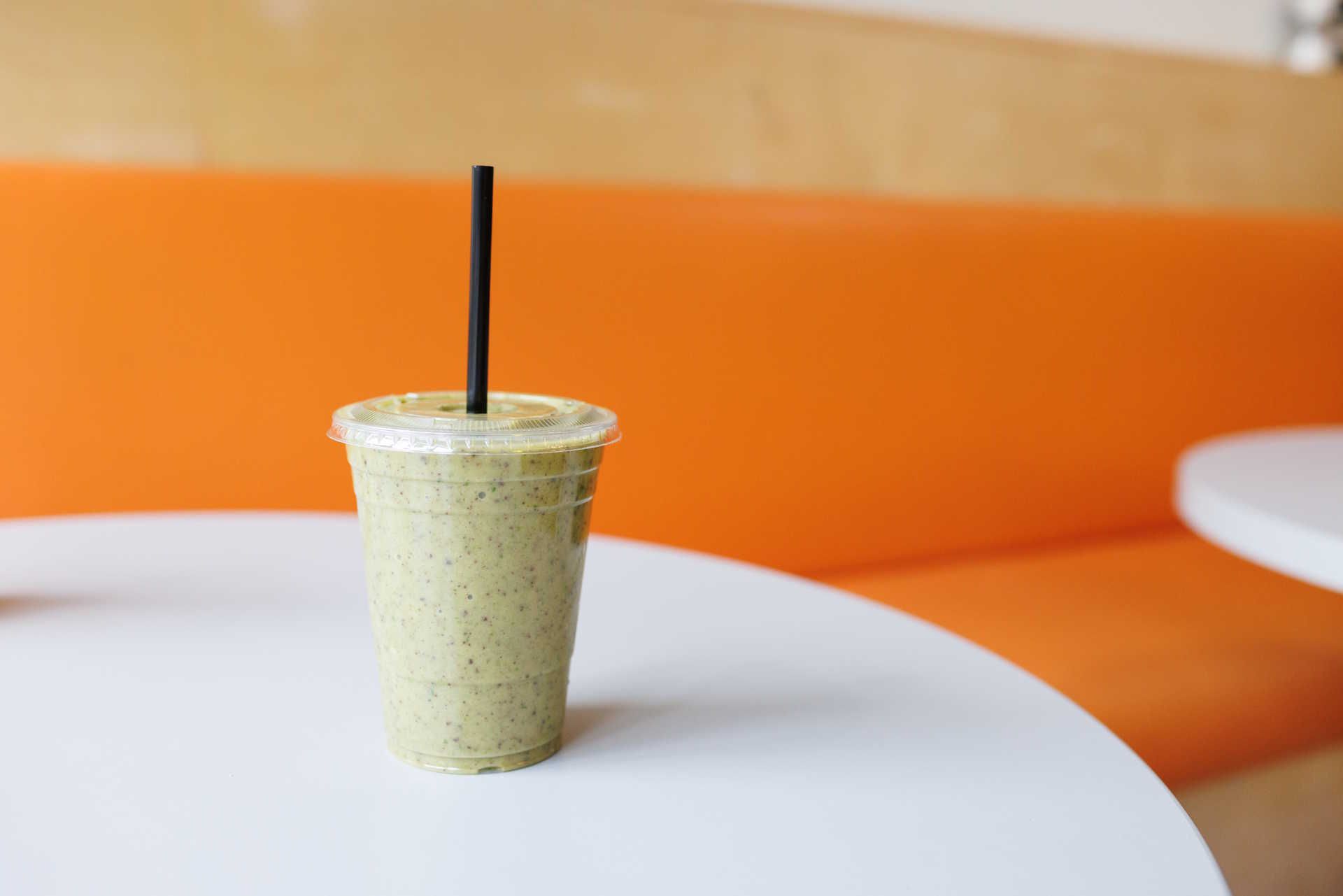
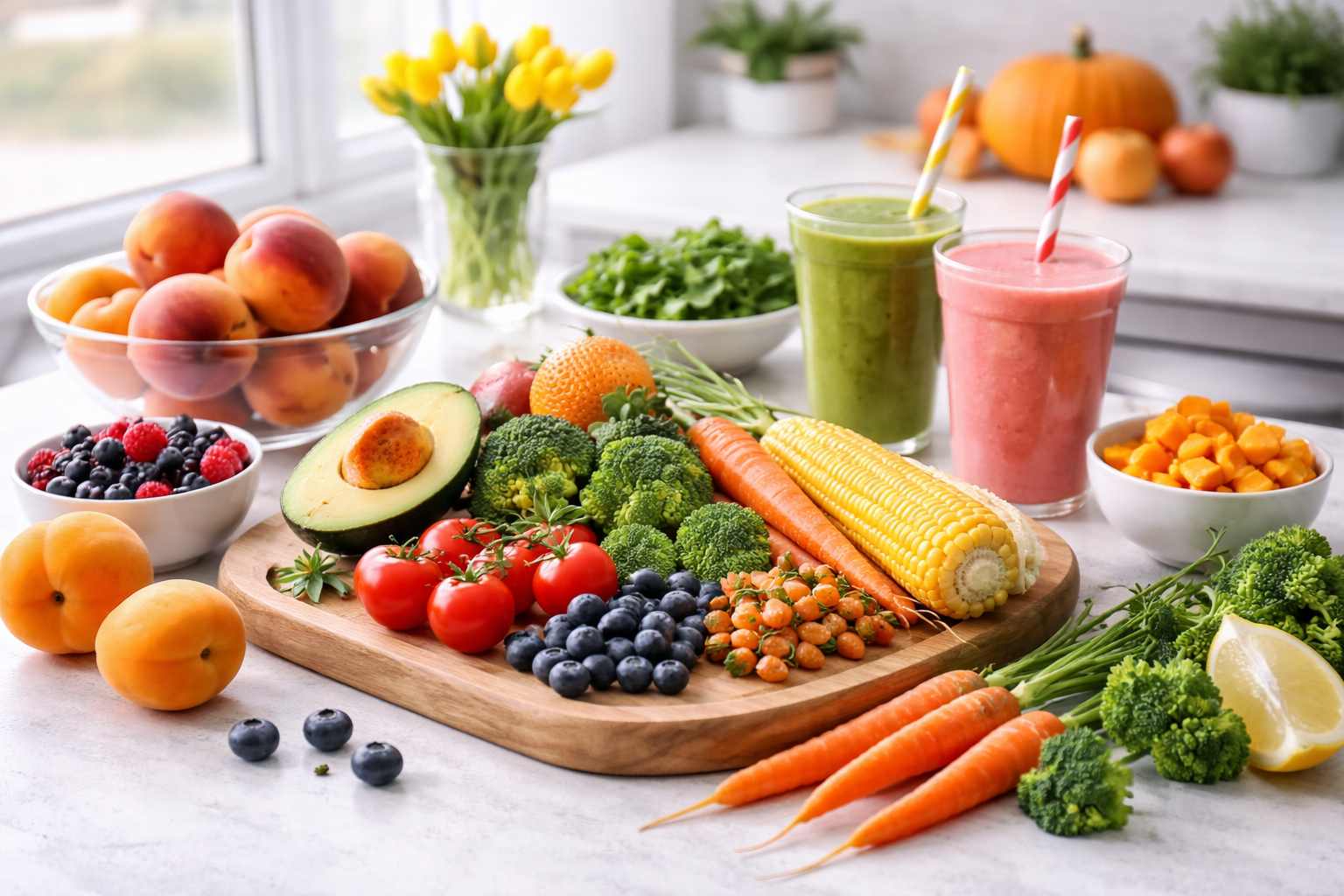
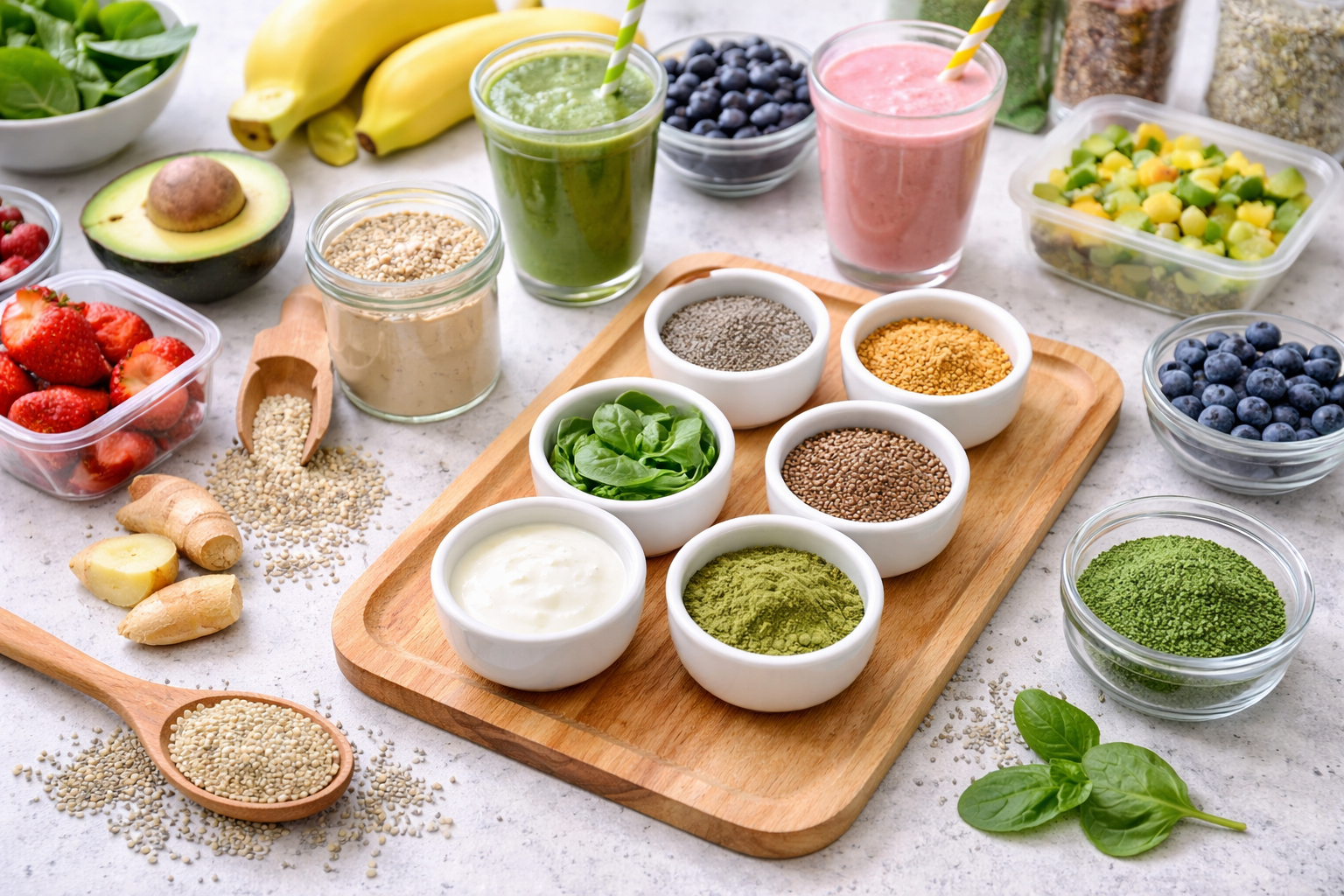
Smoothies are one of the most direct ways to experience ingredient quality, which is why seasonal ingredients make such a noticeable difference. When fruits and greens are in season, they tend to be fresher, more flavourful, and easier to build around. This results in smoothies that taste cleaner, more balanced, and more satisfying without needing extra additions. This article explains why that happens and how to apply it in a simple, everyday way.
TL;DR
- Seasonal ingredients are often more flavourful and fresh.
- Smoothies highlight ingredient quality more than other meals.
- Better ingredients mean less need for sweeteners or add-ons.
- Seasonal blends tend to feel more balanced and natural.
- Small ingredient swaps can noticeably improve taste.
- Keep your smoothie routine the same, just rotate ingredients.
Why Smoothies Taste Better with Seasonal Ingredients
Smoothies are simple by design, which is exactly why ingredient quality matters so much.
There is nothing to hide behind. No cooking methods, no heavy sauces, no distractions. What you put in is what you taste.
That is why seasonal ingredients stand out immediately.
Better Ingredients, Better Flavour
When ingredients are in season, they are typically:
- Harvested closer to peak ripeness
- Less dependent on long storage or transport
- Naturally more vibrant in taste
This leads to smoothies that feel:
- Brighter
- Cleaner
- More naturally sweet
You notice it right away.
Why Smoothies Amplify the Difference
In many meals, flavours can be adjusted or masked.
Smoothies do the opposite.
They:
- Blend everything together
- Highlight each ingredient
- Make quality more noticeable
If the ingredients are fresh and in season, the result is smooth and balanced. If not, it is harder to compensate.
Less Need to Fix the Flavour
When ingredients are not at their best, people often try to adjust:
- Adding sweeteners
- Increasing flavour boosters
- Overcomplicating combinations
Seasonal ingredients reduce the need for all of that.
A simple blend often works better because the base ingredients already carry the flavour.
More Natural Balance
Seasonal smoothies tend to feel more balanced without effort.
That is because:
- Ingredients naturally complement each other
- Flavours align with the time of year
- The overall experience feels more cohesive
You are not forcing combinations, you are working with what fits.
How This Shows Up in Fredericton
In Fredericton, where seasonal changes are clear, the difference in ingredients is noticeable throughout the year.
Summer smoothies often feel lighter and more vibrant, while winter options shift toward consistency and balance.
When ingredients are in season:
- Flavours feel more natural
- Smoothies require less adjustment
- Choices become easier
Across New Brunswick, these seasonal shifts are part of everyday eating patterns.
Small Changes Make a Big Difference
You do not need to completely change your smoothie.
Even one small swap:
- Using seasonal fruit
- Rotating greens
- Adjusting one ingredient
Can noticeably improve the final result.
Keep It Simple
The best approach is often the simplest one.
- Start with a base you already like
- Swap in seasonal ingredients
- Avoid overcomplicating it
This keeps your routine consistent while improving quality.
Where The Squeeze Fits In
The Squeeze focuses on ingredient quality, which is why seasonal ingredients naturally play a role in how smoothies are built. By offering flexible options that adapt throughout the year, it allows you to experience better flavour without needing to change your routine.
It is a simple way to get more out of what you are already ordering.
Frequently Asked Questions
Do seasonal ingredients really make that much difference?
Yes. In smoothies especially, the difference in flavour is noticeable.
Do I need to change my smoothie every season?
No. Small ingredient swaps are usually enough.
Sources
- Health Canada – Healthy Eating and Whole Foods
https://www.canada.ca - Harvard T.H. Chan School of Public Health – Diet Quality and Food Choices
https://www.hsph.harvard.edu - Food and Agriculture Organization (FAO) – Seasonal Food Systems
https://www.fao.org