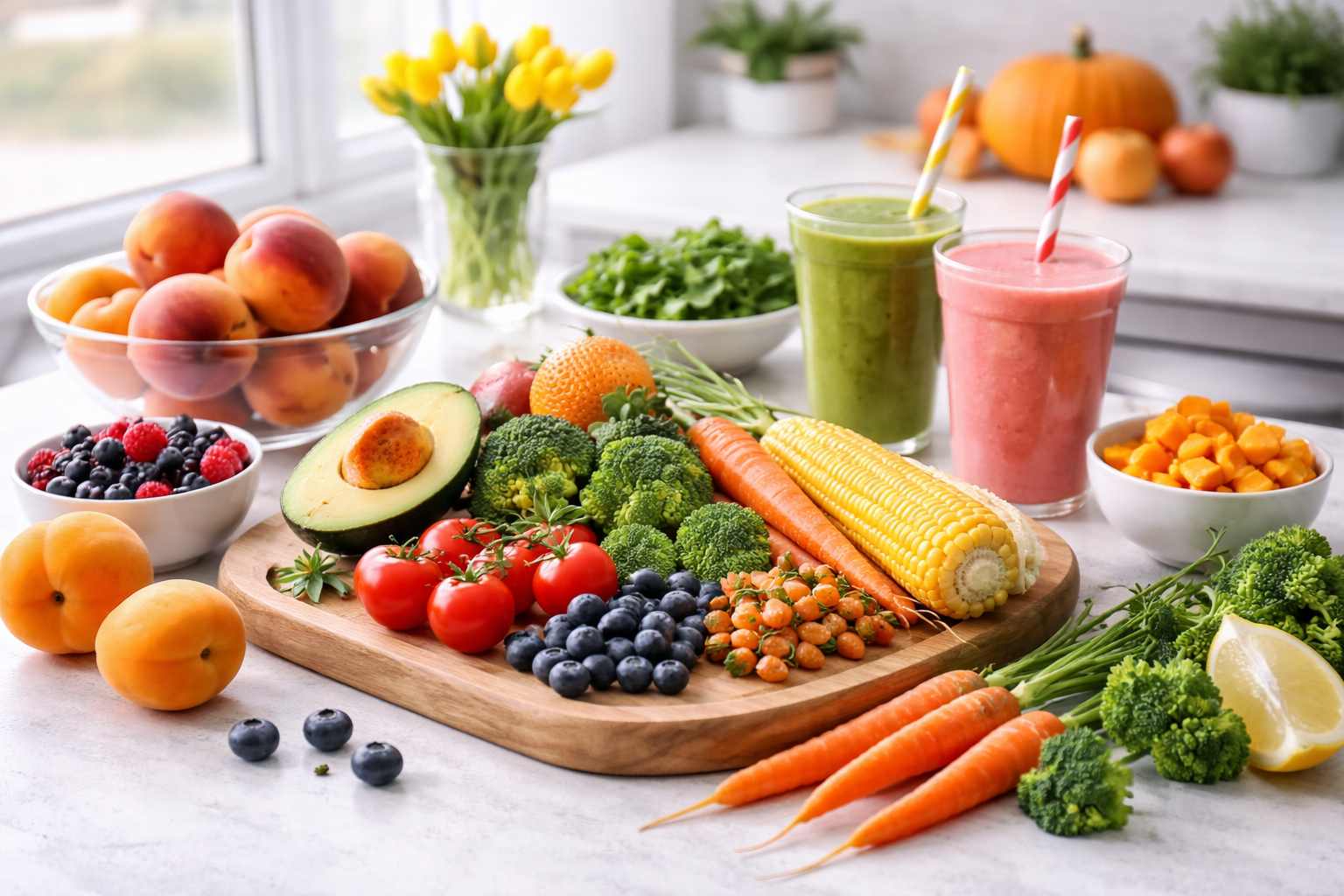

Seasonal Eating Benefits You Should Know
Seasonal eating is not just about availability, it directly impacts how food tastes, how meals feel, and how easy it is to maintain a balanced routine. When you align your meals with the time of year, you naturally introduce more variety and reduce the need for overcomplicating your choices. This article highlights the core benefits of seasonal eating and how they show up in everyday life. The goal is to make it practical and easy to apply.
TL;DR
- Seasonal foods often have better flavour and freshness.
- Naturally encourages variety throughout the year.
- Helps meals feel more aligned with your routine and environment.
- Can simplify food choices instead of complicating them.
- Works easily with smoothies, bowls, and quick meals.
- Small seasonal adjustments are enough to see benefits.
Seasonal Eating Benefits You Should Know
Seasonal eating is one of those habits that feels subtle but has a noticeable impact over time.
You are not changing everything at once. You are simply adjusting your choices to match what is naturally available, and that shift tends to improve how meals taste, feel, and fit into your day.
Better Flavour Without Extra Effort
One of the most immediate benefits is taste.
Foods that are in season tend to:
- Taste more vibrant
- Feel fresher
- Require fewer additions to improve flavour
This is especially noticeable in smoothies, where ingredients are not masked by cooking or heavy sauces.
More Variety Without Overthinking It
It is easy to fall into repetitive eating habits.
Seasonal eating helps break that cycle by naturally introducing:
- Different fruits and vegetables
- New flavour combinations
- Subtle changes in routine
Instead of forcing variety, it happens automatically as the seasons change.
Meals That Feel More Balanced
When you eat with the season, meals often feel more aligned with how your body and routine shift throughout the year.
For example:
- Lighter, fresher options in warmer months
- More filling, grounded meals in colder months
This balance tends to feel more natural than sticking to the same meals year-round.
Simpler Decision-Making
Seasonal eating can actually make choices easier.
Instead of asking, “What should I eat?” you shift to:
- “What’s available right now?”
That small change:
- Reduces decision fatigue
- Makes ordering or preparing meals faster
- Keeps things consistent
Works Naturally With Smoothies and Bowls
Smoothies and bowls are ideal for seasonal eating because they are flexible.
You can:
- Swap fruits based on the season
- Adjust greens or add-ons
- Keep the same structure while changing ingredients
This allows you to stay consistent while still adapting.
How This Shows Up in Fredericton
In Fredericton, seasonal changes are not subtle, they shape daily routines.
Longer summer days bring lighter, more refreshing food choices, while winter tends to shift toward convenience and consistency.
Seasonal eating fits into that rhythm:
- It reflects how people already live
- It does not require major changes
- It supports more natural habits
Across New Brunswick, these patterns are part of everyday life, which makes seasonal eating feel practical rather than forced.
Small Changes That Add Up
You do not need to fully commit to seasonal eating to see benefits.
Even simple adjustments:
- Adding one seasonal ingredient
- Rotating flavours occasionally
- Being slightly more aware of availability
These small shifts create noticeable improvements over time.
Where The Squeeze Fits In
The Squeeze makes seasonal eating easy by offering flexible smoothie and bowl options that can adapt throughout the year. Whether it is fresh, fruit-forward blends in warmer months or more balanced combinations in colder seasons, it allows you to stay consistent while still evolving your choices.
It removes the complexity and keeps the focus on simple, quality ingredients.
Frequently Asked Questions
Do I need to fully switch to seasonal eating?
No. Even small adjustments can provide benefits.
Is seasonal eating harder in winter?
Not necessarily. It just shifts toward different types of ingredients and routines.
Sources
- Health Canada – Healthy Eating and Food Choices
https://www.canada.ca - Food and Agriculture Organization (FAO) – Sustainable Diets
https://www.fao.org - Harvard T.H. Chan School of Public Health – Diet Variety and Health
https://www.hsph.harvard.edu