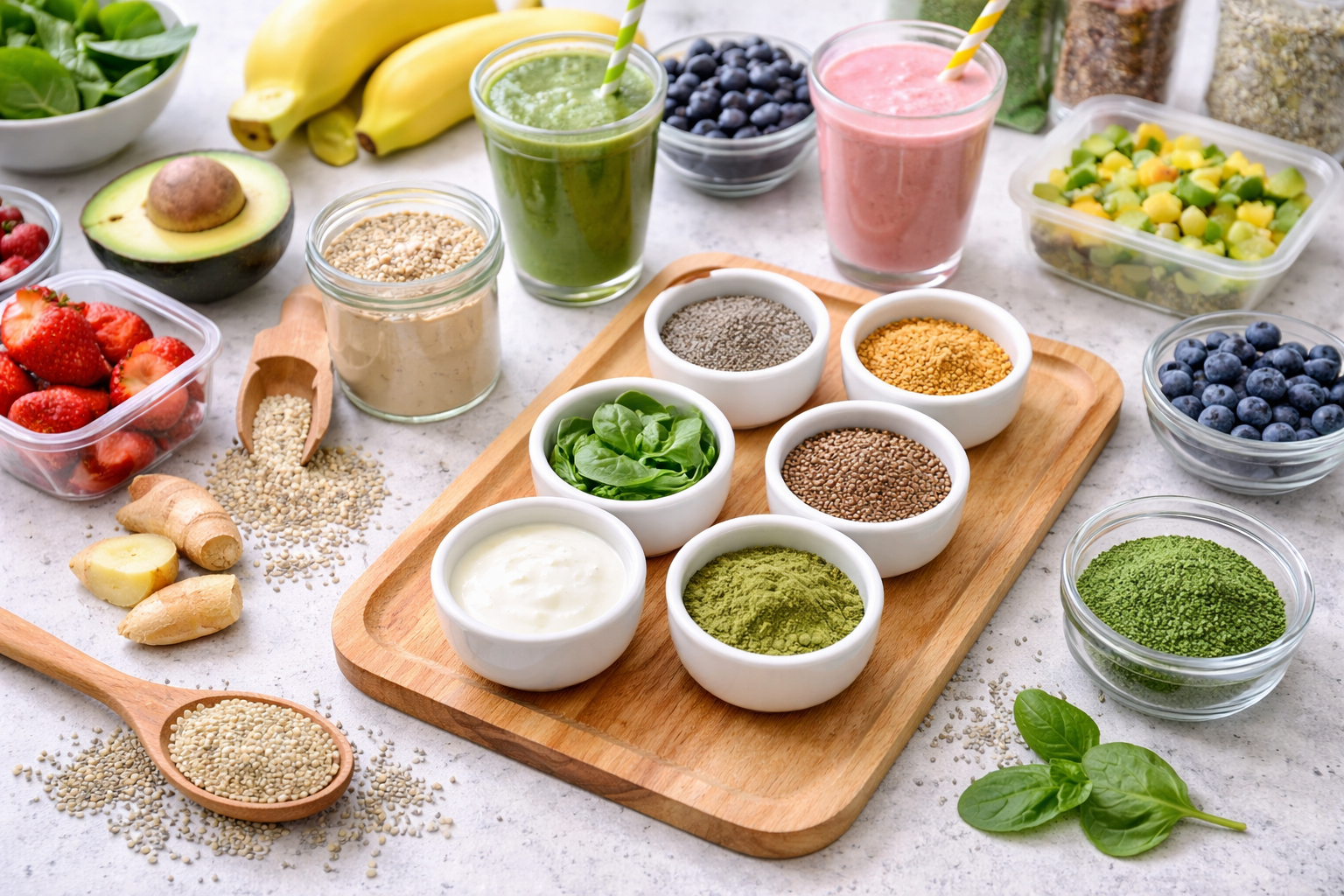

How Climate & Seasons Influence Fresh Produce
Climate and seasons play a direct role in what produce is available, how it tastes, and how it fits into your routine. From temperature changes to growing cycles, these factors influence everything from freshness to variety throughout the year. This article breaks down how climate shapes produce and what that means for everyday eating. The goal is to make the connection simple and practical, not technical.
TL;DR
- Climate determines what produce grows and when.
- Seasonal changes affect availability, freshness, and variety.
- Different times of year naturally shift how meals are built.
- Local climates, like New Brunswick’s, create noticeable food patterns.
- Smoothies and bowls adapt easily to these changes.
- Understanding this helps make food choices simpler.
How Climate & Seasons Influence Fresh Produce
Fresh produce does not just appear on shelves randomly. It follows patterns shaped by climate, weather, and time of year.
Understanding these patterns makes it easier to see why certain foods show up when they do, and why they sometimes taste better depending on the season.
Climate Sets the Foundation
Climate refers to long-term weather patterns in a region, things like temperature, rainfall, and sunlight.
These factors determine:
- What can grow locally
- When crops are harvested
- How long growing seasons last
For example, colder climates tend to have shorter growing seasons, while warmer climates allow for longer or more varied production.
Seasons Drive Availability
While climate sets the baseline, seasons create the rhythm.
Throughout the year:
- Spring brings early greens and lighter produce
- Summer introduces fruits and high-volume harvests
- Fall shifts toward root vegetables and heartier options
- Winter often limits fresh local produce
These cycles influence what is available at any given time.
Why Freshness Changes Throughout the Year
Produce that is in season is often:
- Harvested closer to when you buy it
- Less dependent on long-distance transport
- More aligned with natural growing conditions
This is why it tends to taste better and feel fresher.
Out-of-season produce is still available, but it often comes from different regions or storage methods.
How This Impacts Everyday Meals
These shifts naturally affect how people eat.
You might notice:
- Lighter meals in warmer months
- More consistent, simple meals in winter
- Changes in flavour preferences over time
These patterns are not forced, they reflect what is available and how routines change.
How Smoothies Adapt to Climate and Seasons
Smoothies are one of the easiest ways to adapt to these changes.
They allow you to:
- Rotate ingredients based on availability
- Adjust flavours throughout the year
- Maintain a consistent routine while changing inputs
For example:
- Summer smoothies may lean toward berries and citrus
- Fall might introduce apple or spice-inspired blends
- Winter often focuses on balance and convenience
Climate and Food in New Brunswick
In New Brunswick, climate plays a noticeable role in food patterns.
Shorter growing seasons and colder winters create clear shifts in availability. This leads to:
- More fresh variety in warmer months
- A greater reliance on consistency and convenience in winter
In Fredericton, these changes are part of everyday life. Food choices often follow the same rhythm as the seasons, whether intentionally or not.
Why Understanding This Matters
You do not need to track growing cycles or memorize seasons.
Simply understanding that:
- Food availability changes for a reason
- Taste and freshness are often seasonal
- Your routine can adjust naturally
This makes it easier to make practical, informed choices without overthinking it.
Keep It Simple and Observational
The easiest approach is to stay aware.
Notice:
- What shows up more often
- What tastes better at certain times
- What fits your routine
That awareness is enough to guide better choices over time.
Where The Squeeze Fits In
The Squeeze reflects these natural shifts by offering smoothies and bowls that can adapt to changing ingredients and preferences throughout the year. This makes it easier to stay consistent while still aligning with seasonal availability.
It allows you to follow the rhythm of the seasons without needing to think too much about it.
Frequently Asked Questions
Does climate really affect how food tastes?
Yes. Growing conditions can impact flavour, texture, and overall quality.
Do I need to eat differently every season?
No. Small adjustments based on availability are usually enough.
Sources
- Agriculture and Agri-Food Canada – Climate and Crop Production
https://agriculture.canada.ca - Food and Agriculture Organization (FAO) – Climate and Food Systems
https://www.fao.org - Harvard T.H. Chan School of Public Health – Diet and Food Systems
https://www.hsph.harvard.edu