
Creative Ways to Use Seasonal Ingredients at Home
Using seasonal ingredients at home does not need to mean complicated recipes or extra time in the kitchen. In reality, it is about making small, creative adjustments to meals you already enjoy. Whether it is swapping ingredients, changing flavours, or simplifying how you prepare food, seasonal eating can feel easy and flexible. This article explores practical ways to use seasonal ingredients without adding friction to your routine.
TL;DR
- Use seasonal ingredients by swapping, not overhauling meals.
- Keep meals simple, just adjust one or two ingredients.
- Smoothies, bowls, and snacks are the easiest to adapt.
- Rotate flavours instead of changing full recipes.
- Seasonal eating at home should feel easy and flexible.
- Creativity comes from small changes, not big effort.
Creative Ways to Use Seasonal Ingredients at Home
Seasonal eating at home often sounds like it requires more effort than it actually does.
The reality is much simpler.
You are not creating new meals from scratch, you are just finding small ways to use what is available and in season.
Swap Ingredients, Not Meals
One of the easiest ways to start is by swapping ingredients instead of changing the entire meal.
For example:
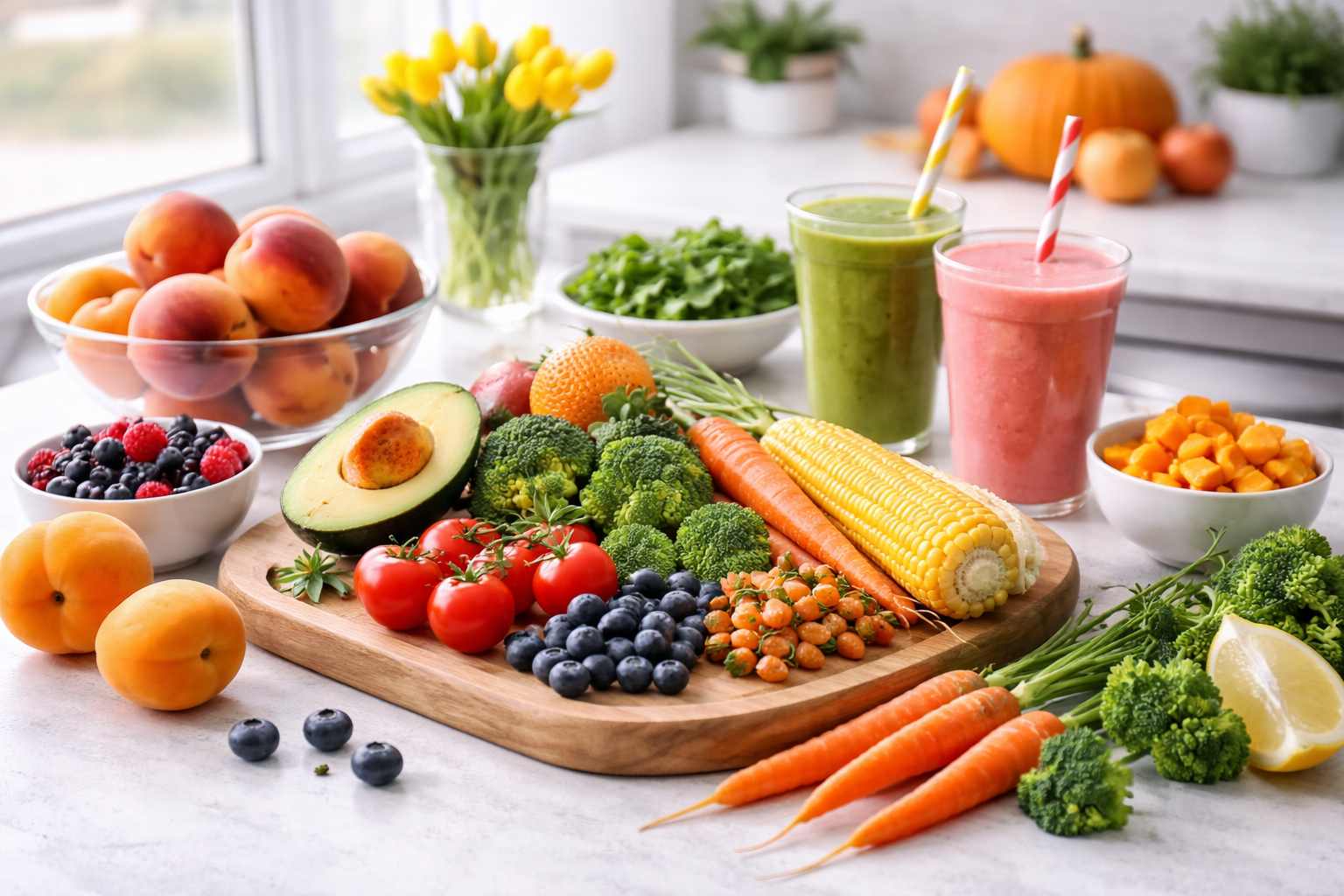
- Replace one fruit in your smoothie with a seasonal option
- Switch greens based on what is available
- Adjust toppings depending on the time of year
This keeps your routine intact while adding variety.
Build Around What You Already Like
You do not need to experiment with unfamiliar meals.
Instead:
- Start with meals you already enjoy
- Layer in seasonal ingredients where they fit
This approach makes the process feel natural instead of forced.
Use Smoothies as a Creative Base
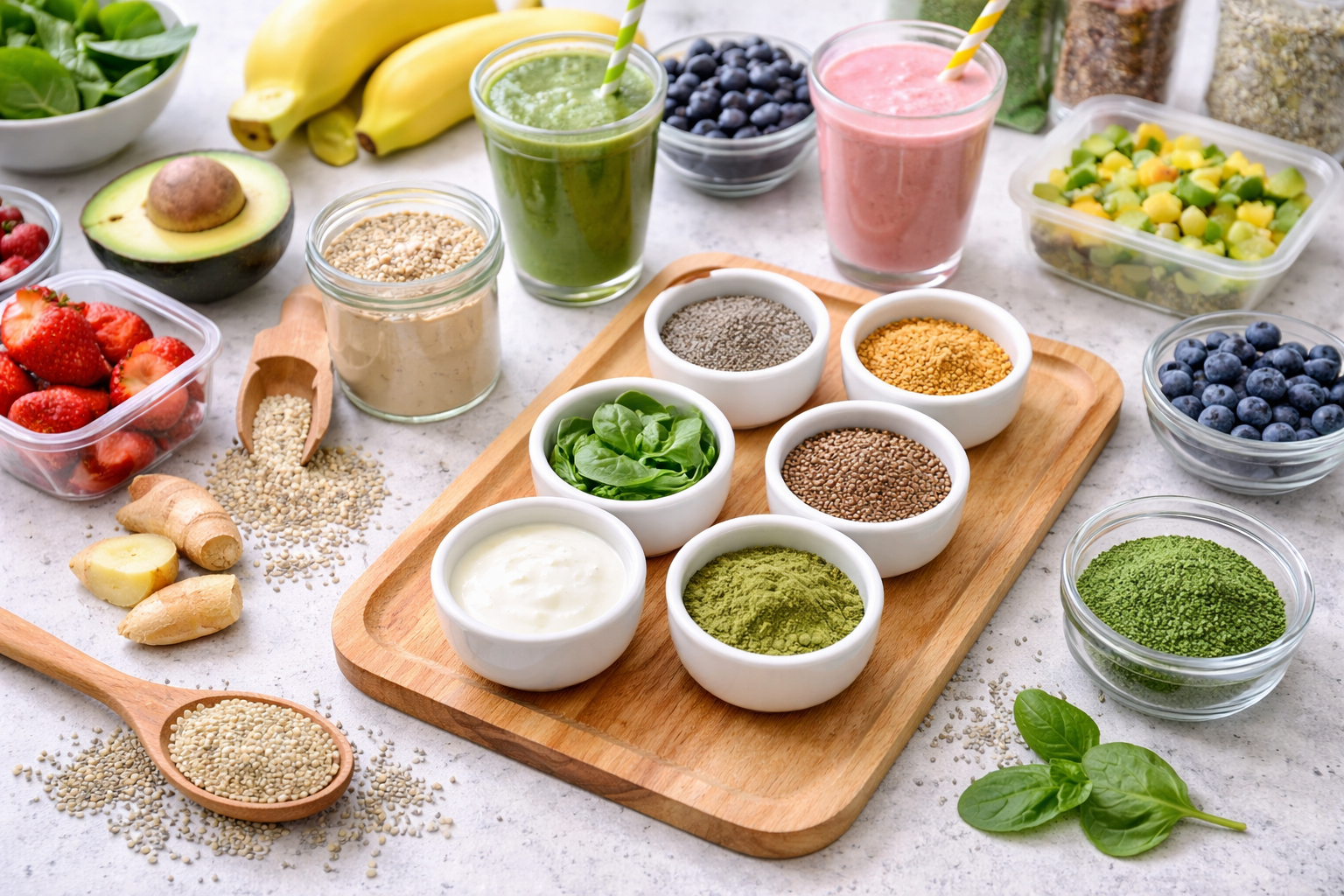
Smoothies are one of the most flexible ways to use seasonal ingredients.
You can:
- Rotate fruits based on the season
- Add different greens or boosters
- Adjust flavour profiles without changing structure
It is one of the easiest ways to stay consistent while still being creative.
Create Simple Seasonal Combinations
You do not need complex recipes to make seasonal ingredients work.
Simple combinations often work best:
- Berry + greens in summer
- Apple + spice-inspired blends in fall
- Balanced, neutral mixes in winter
These small changes keep things interesting without adding effort.
Keep Prep Minimal
Creativity does not need to mean more work.
Focus on:
- Ingredients that require little to no prep
- Options that can be used quickly
- Meals that fit into your existing routine
This is what makes it sustainable.
Think in Terms of Rotation
Instead of constantly trying new things, think about rotating ingredients.
For example:
- Use one fruit for a few weeks, then switch
- Alternate greens or add-ons
- Change flavours gradually over time
This keeps meals fresh without overwhelming your routine.
How This Looks in Fredericton
In Fredericton, where routines often shift with the seasons, small adjustments at home tend to work best.
Longer summer days might make lighter, quicker meals more appealing, while colder months often shift toward simplicity and consistency.
Using seasonal ingredients creatively just means adapting to those shifts:
- Keeping meals simple
- Adjusting based on what is available
- Avoiding unnecessary complexity
Across New Brunswick, this kind of flexibility is what makes seasonal eating realistic.
Keep It Practical, Not Perfect
You do not need to get creative every day.
Even occasional changes:
- Add variety
- Keep meals interesting
- Support better habits over time
The goal is to make it feel easy, not optimized.
Where The Squeeze Fits In
The Squeeze makes it easy to bring these ideas into your routine, even if you are not preparing everything at home. With flexible smoothies and bowls, you can experiment with seasonal ingredients in a way that feels simple and consistent.
It is a practical extension of what you might already be doing at home.
Frequently Asked Questions
Do I need recipes to use seasonal ingredients?
No. Simple swaps and combinations are usually enough.
What if I do not have time to cook?
Focus on easy formats like smoothies or quick meals that require minimal prep.
Sources
- Health Canada – Healthy Eating Patterns
https://www.canada.ca - Food and Agriculture Organization (FAO) – Sustainable Diets
https://www.fao.org - Harvard T.H. Chan School of Public Health – Healthy Meal Planning
https://www.hsph.harvard.edu