
How to Build Meals Around What’s in Season
Building meals around what’s in season does not require a full reset of how you eat. It is about making small adjustments based on what is fresh, available, and naturally aligned with the time of year. This approach can make meals feel easier, more varied, and more connected to your environment. This article breaks down how to do it in a simple, practical way that fits into real routines.
TL;DR
- Start with what’s available, not a fixed meal plan.
- Build meals around 1–2 seasonal ingredients at a time.
- Keep your base consistent, change the ingredients.
- Smoothies, bowls, and simple meals adapt easily.
- Seasonal eating should feel flexible, not restrictive.
- Small changes over time are what make it sustainable.
How to Build Meals Around What’s in Season
Seasonal eating is one thing. Actually building meals around it is another.
The key is not to overthink it.
You do not need to reinvent your meals every season. Instead, you adjust what goes into them while keeping your routine mostly the same.
Start With What’s Available
The easiest way to begin is to look at what is naturally available right now.
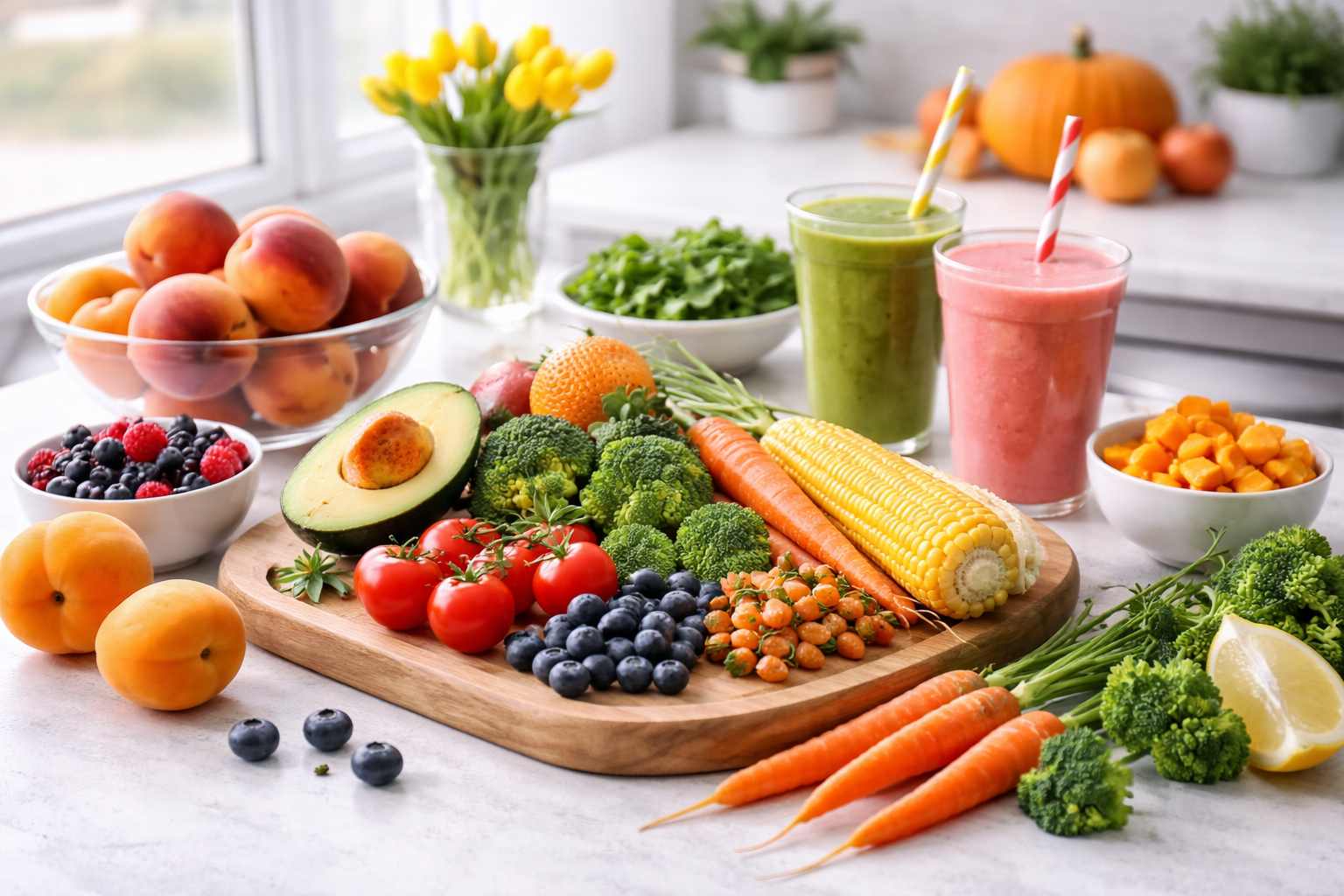
That might mean:
- Fresh berries in the summer
- Apples and squash in the fall
- Greens reappearing in the spring
Instead of forcing specific meals, you let these ingredients guide your choices.
Keep Your Base the Same
One of the biggest mistakes is trying to change everything at once.
A better approach:
- Keep your core meals consistent
- Swap in seasonal ingredients
For example:
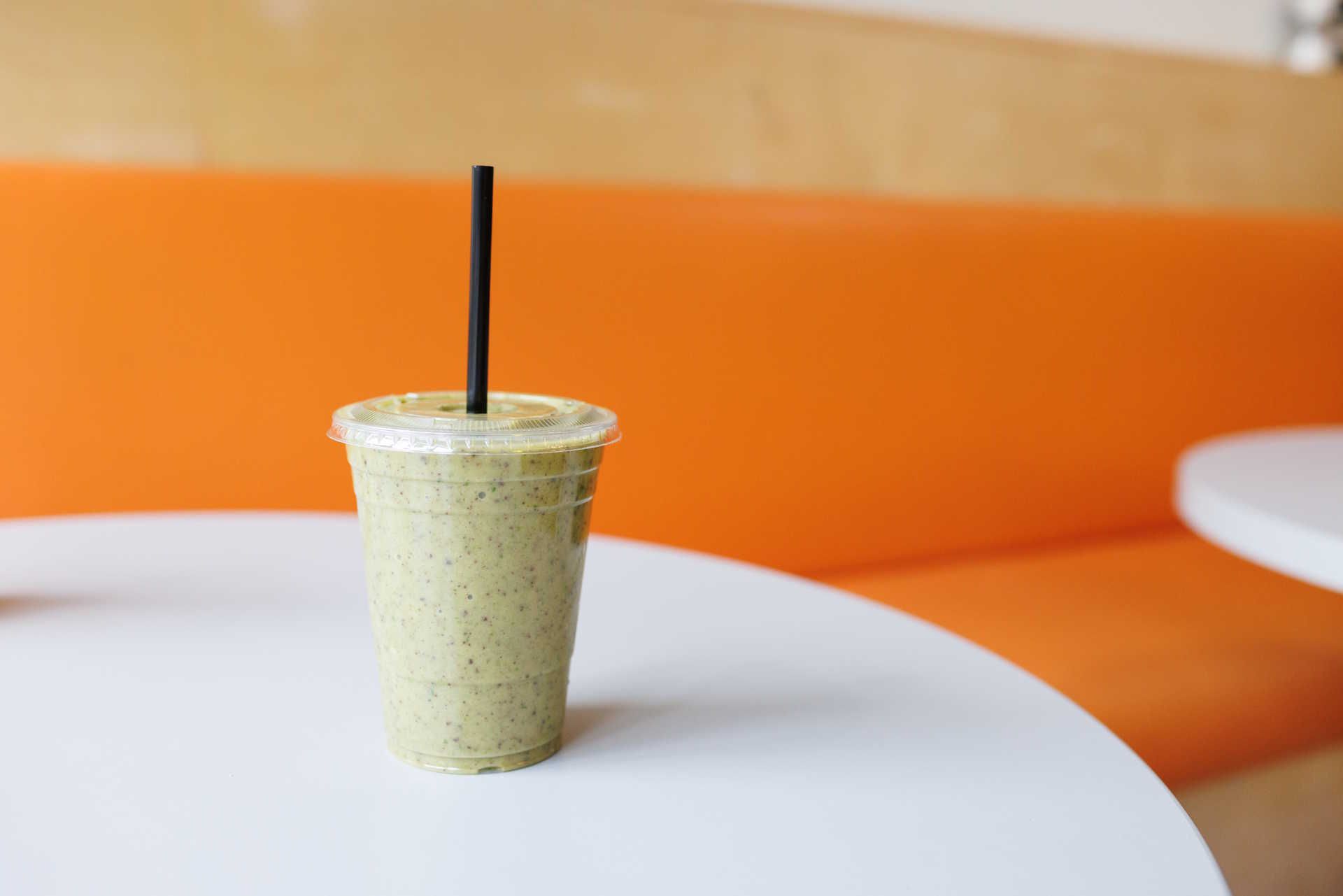
- A smoothie stays a smoothie
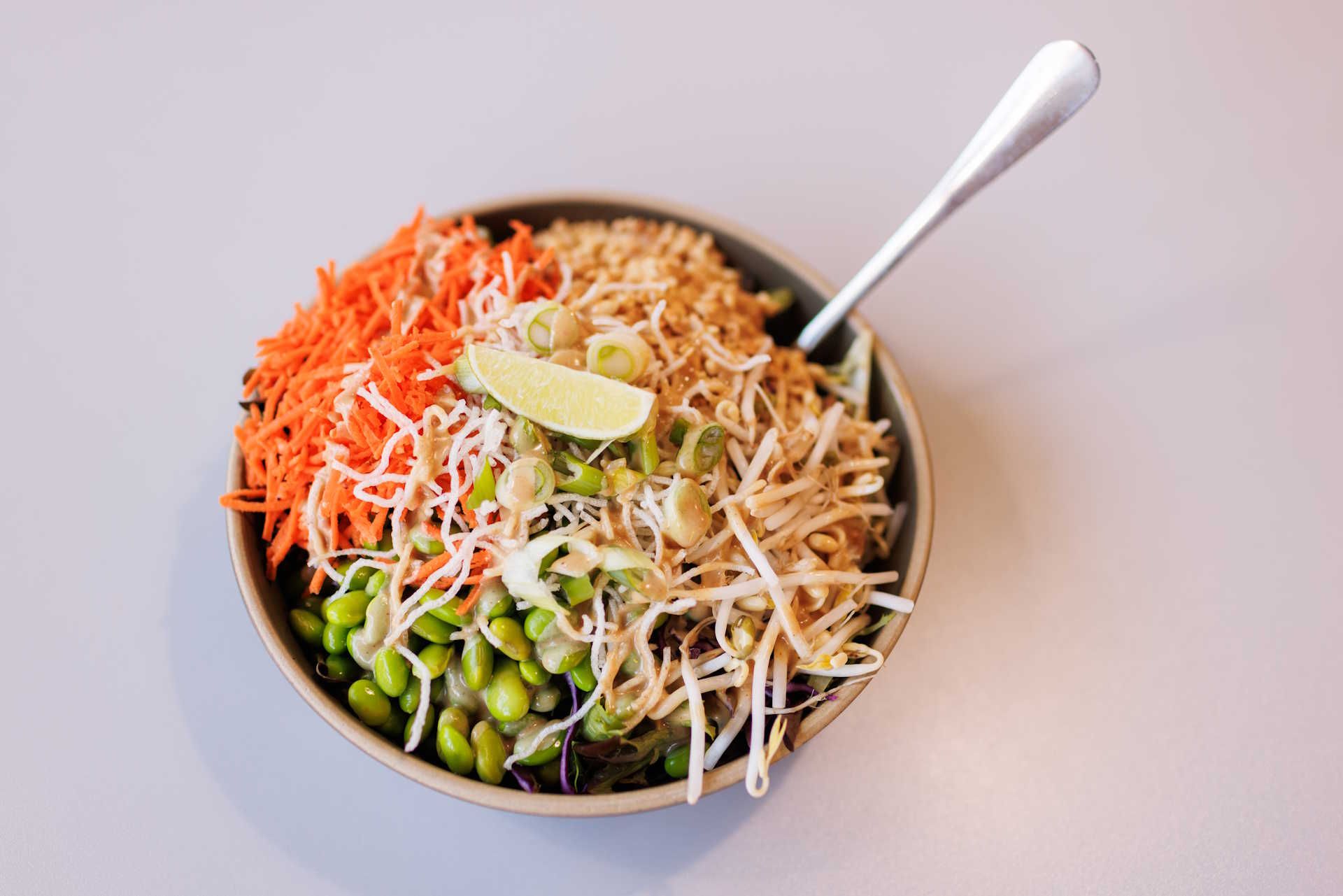
- A bowl stays a bowl
- A quick breakfast stays quick
Only the ingredients shift.
Build Around One or Two Seasonal Ingredients
You do not need to use everything that is in season.
Start with one or two:
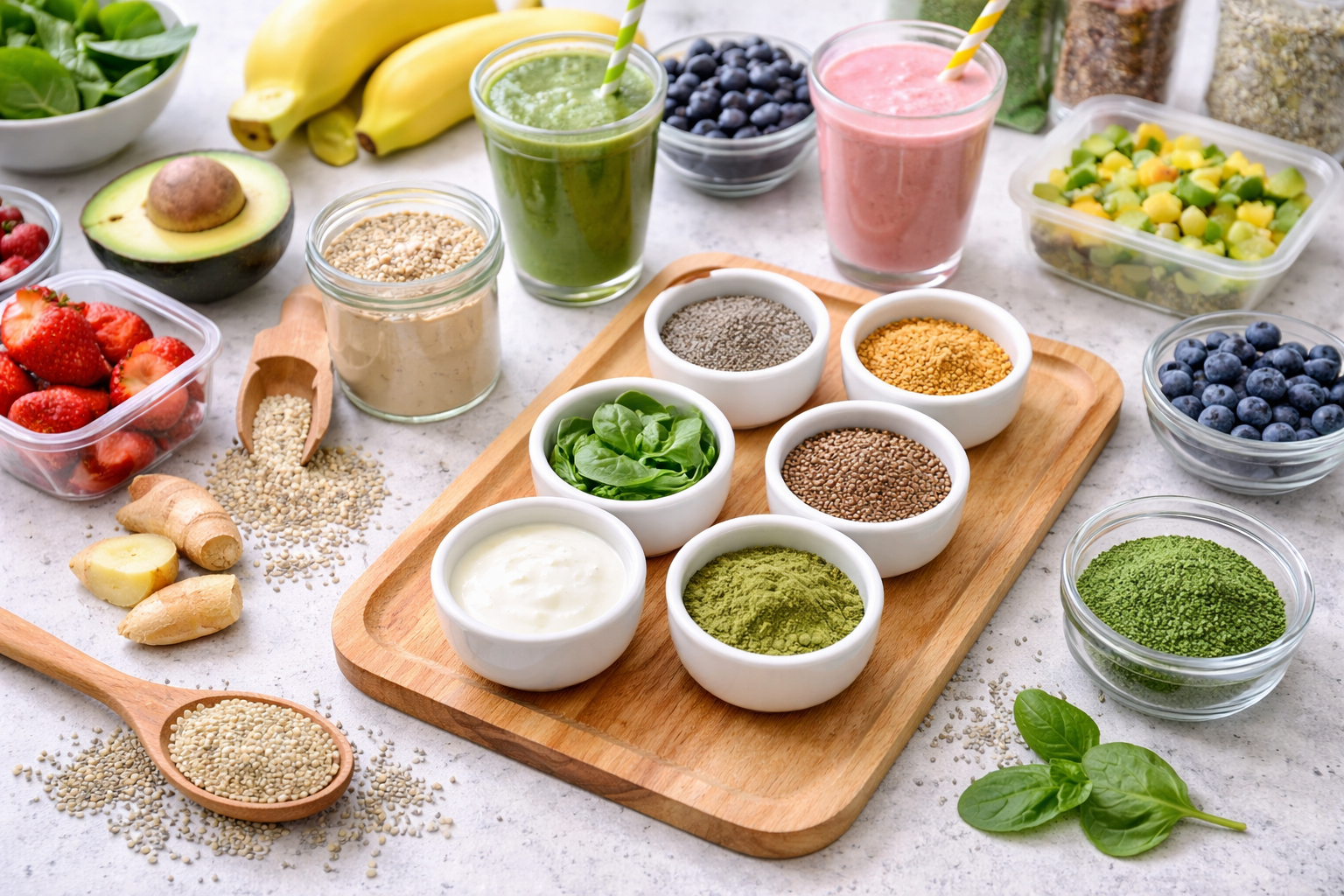
- Add seasonal fruit to your smoothie
- Swap greens based on availability
- Adjust toppings or add-ons
This keeps things simple and manageable.
Use Flexible Meal Formats
Some meals are easier to adapt than others.
The most flexible options tend to be:
- Smoothies
- Bowls
- Wraps or simple plates
These formats allow you to change ingredients without changing how the meal works.
Think in Terms of Feel, Not Rules
Seasonal eating is not about strict guidelines.
Instead, think:
- Lighter, fresher options in warmer months
- More grounding, filling options in colder months
This naturally aligns your meals with how your day feels.
How This Looks in Fredericton
In Fredericton, the shift between seasons is noticeable, and it naturally influences how people eat.
In the summer, routines feel lighter and more flexible. In the winter, meals tend to be more about convenience and consistency.
Building meals around what is in season simply means leaning into those shifts instead of fighting them.
Whether you are grabbing something between stops or ordering quickly, small adjustments go a long way.
Make It Work for Busy Days
For most people, time is the biggest factor.
That is why this approach works:
- You are not changing your routine
- You are not adding extra steps
- You are simply choosing slightly different ingredients
This keeps things realistic.
Consistency Over Perfection
You do not need to get it right every time.
Even occasional seasonal swaps:
- Add variety
- Improve balance
- Keep meals from feeling repetitive
Over time, those small changes build better habits.
Where The Squeeze Fits In
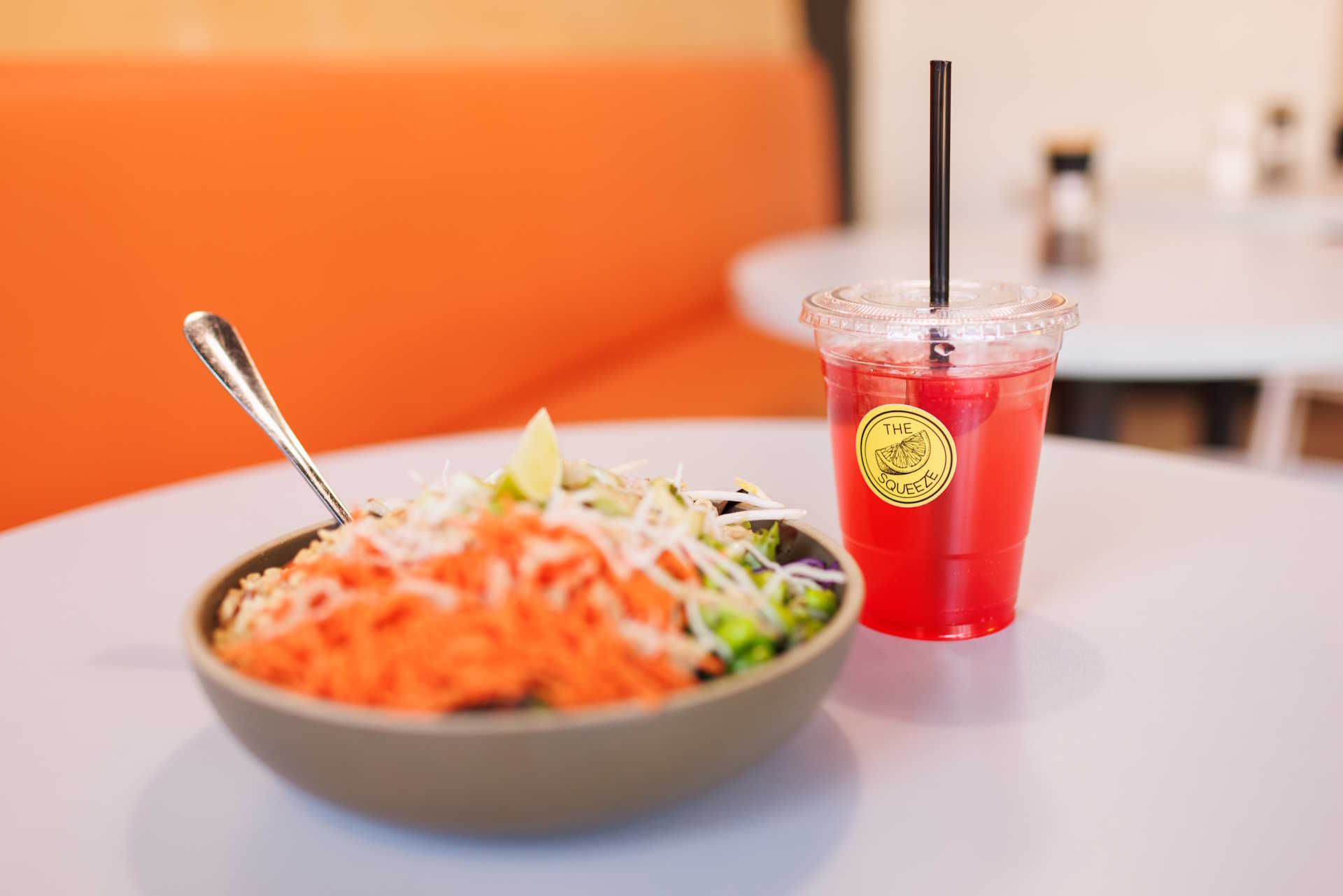
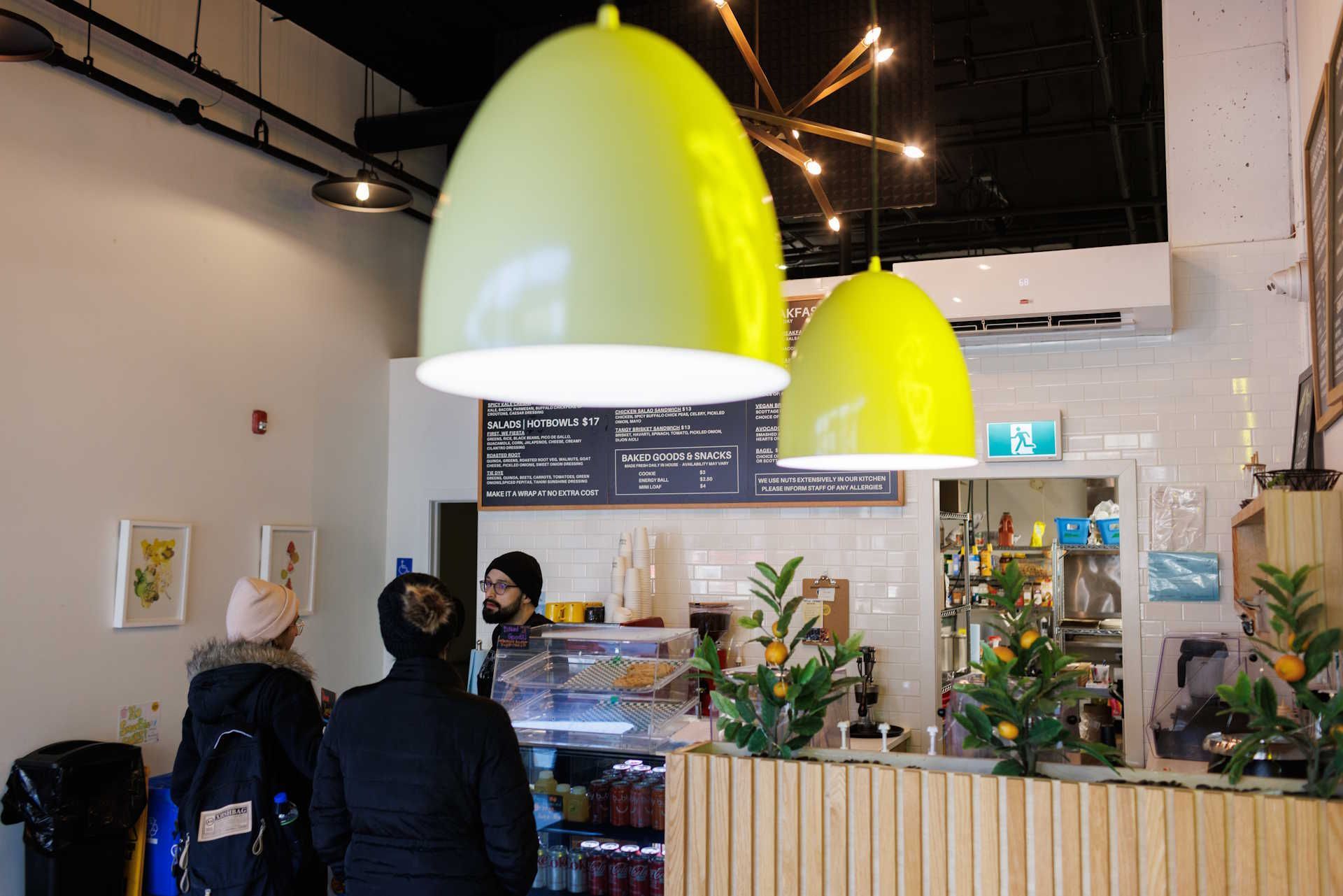
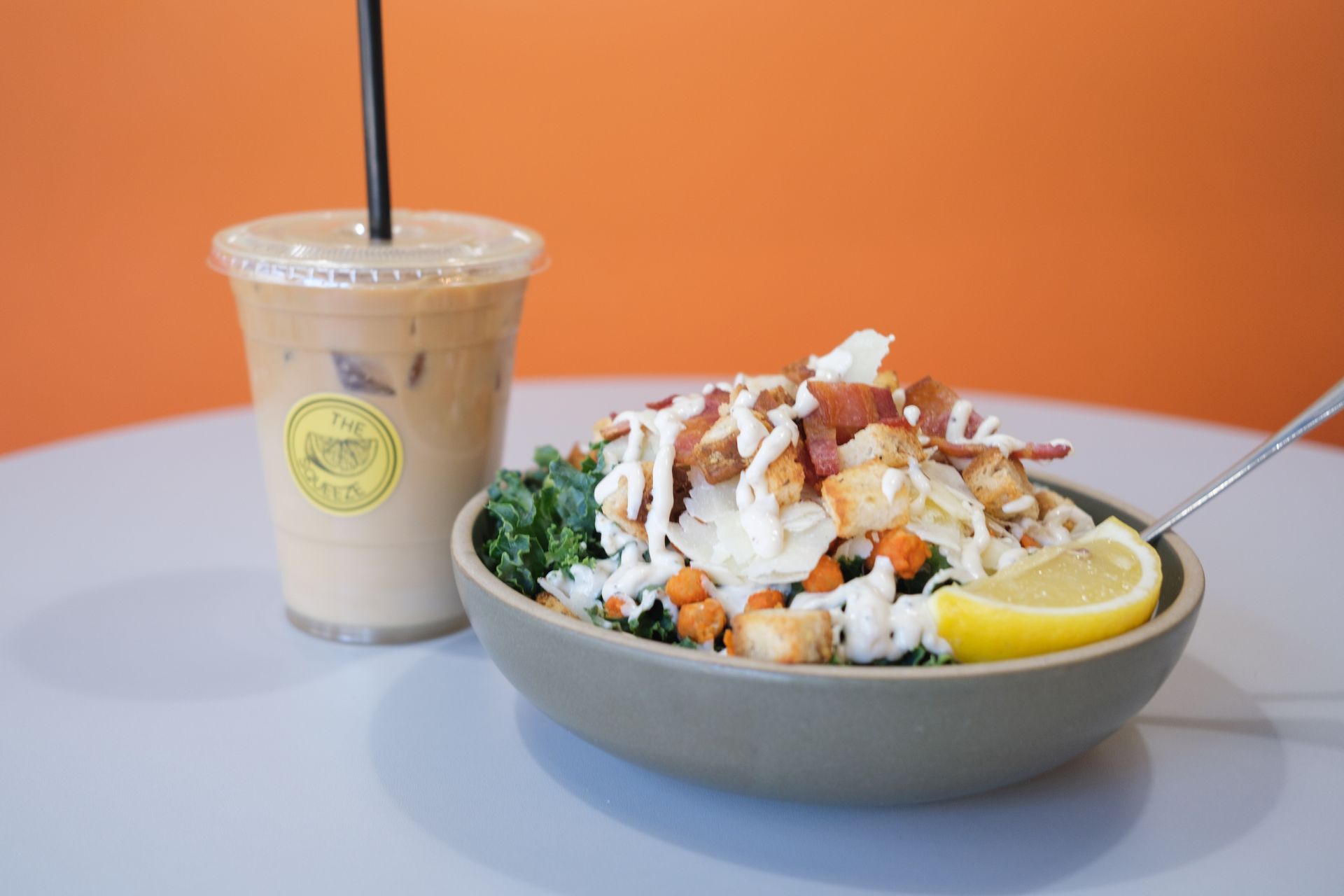
The Squeeze makes it easy to build around seasonal ingredients without needing to think too much about it. With flexible smoothie and bowl options, you can adjust flavours and add-ons depending on the time of year.
It allows you to stay consistent while still eating in a way that feels aligned with the season.
Frequently Asked Questions
Do I need to change my meals every season?
No. Keeping your structure the same and adjusting ingredients is usually enough.
What if seasonal options are limited?
You can still make small adjustments. Even one seasonal ingredient can make a difference.
Sources
- Health Canada – Healthy Eating Guidelines
https://www.canada.ca - Food and Agriculture Organization (FAO) – Seasonal Food Systems
https://www.fao.org - Harvard T.H. Chan School of Public Health – Diet Variety and Balance
https://www.hsph.harvard.edu