
How to Stay Nourished During a Busy Workday: Simple Tips
Busy workdays often leave little room for regular meals or long breaks. Food choices get squeezed between meetings, tasks, and shifting priorities, which can make it harder to stay energized throughout the day. This article focuses on simple, realistic ways to stay nourished during demanding workdays without relying on perfect timing or rigid meal plans. The emphasis is on habits that support steady energy and focus from morning through afternoon.
TL;DR
- Eating regularly during the workday helps maintain energy and concentration.
- Small meals or snacks can be just as effective as full meals when time is limited.
- Foods with protein and fibre support steadier energy during long stretches of work.
- Planning lightly around known busy periods can prevent skipped meals.
- Keeping familiar, reliable food options nearby reduces decision fatigue.
- Staying nourished is about consistency over the full workday, not one perfect meal.
How to Stay Nourished During a Packed Workday
Workdays have a way of filling every available gap. Meetings run long, tasks overlap, and breaks that looked reasonable on paper disappear once the day gets moving. Food often becomes something you plan to deal with later, even when hunger is already creeping in.
The challenge is not knowing that you should eat. It is figuring out how to eat in a way that fits into a day that does not slow down. Staying nourished during a busy workday is less about ideal meal timing and more about finding small, realistic opportunities to support your energy.
Why Busy Workdays Make Eating Harder Than Expected
When your attention is pulled in multiple directions, hunger signals are easy to ignore. You might feel fine one moment, then suddenly hit a wall when energy drops all at once.
Long stretches without food can make it harder to concentrate, stay patient, or make thoughtful decisions. This is especially true during afternoons when mental fatigue naturally sets in. Eating regularly throughout the day helps smooth out those peaks and dips, making the workday feel more manageable.
Rethinking Meal Timing on Packed Days
On busy workdays, strict meal times often do not make sense. Waiting for the perfect lunch window can mean waiting too long.
It helps to think in terms of flexible eating windows instead. That might mean eating a little earlier than planned, splitting lunch into smaller portions, or having a snack when you notice your energy starting to fade. Nourishment does not need to follow a rigid schedule to be effective.
Why Skipping Lunch Rarely Works
Skipping lunch can feel productive in the moment, especially when deadlines are looming. The problem is that hunger does not disappear just because you are busy.
Pushing through lunch often leads to low energy, irritability, and stronger cravings later in the day. Even a short pause to eat something simple can help reset your focus and make the rest of the afternoon feel less draining.
Lunch does not need to be long or elaborate. It just needs to happen.
What Helps Food Actually Sustain You
When time is limited, choosing foods that keep you full longer matters more than variety or novelty.
Meals or snacks that include protein and fibre tend to support steadier energy and help prevent constant grazing. That can come from many sources, including eggs, legumes, dairy, grains, fruits, or vegetables. You do not need everything at once. You just need enough to feel supported until your next chance to eat.
If you find yourself hungry again shortly after eating, it is often a sign that the meal was too light, not that you made a bad choice.
The Role of Snacks During a Busy Workday
Snacks are often framed as unnecessary, but during packed workdays, they can be extremely useful.
A well-timed snack can bridge the gap between meals, prevent energy crashes, and make it easier to stay focused through long stretches of work. Keeping something nearby can turn eating into a quick pause instead of a disruption.
The goal is not constant snacking. It is using snacks intentionally to support your day when meals are delayed.
Hydration Often Gets Overlooked
Busy workdays make it easy to forget about drinking water. Coffee refills happen automatically, while hydration quietly falls off the list.
Even mild dehydration can affect focus and energy levels. Keeping water within reach or building it into your routine can help support how you feel throughout the day, especially during long periods of sitting or screen time.
Light Planning That Actually Helps
You do not need to plan every meal to eat well during the workday. Often, it is enough to know which parts of your day tend to be the most demanding.
If you know certain afternoons are always packed, having a reliable option ready or ordering ahead can remove a lot of friction. Light planning reduces decision fatigue and makes it easier to stay consistent when time is limited.
Pay Attention to How Food Affects Your Energy
Not all workdays look the same. Some involve long meetings, others involve moving between short stops, and some are a mix of both.
Noticing how food choices affect your energy and focus can help guide future decisions. If something leaves you sluggish or distracted, that information can help you adjust next time. Eating well is an ongoing process of learning what supports your workday best.
Consistency Matters More Than Perfect Days
No workday is perfectly balanced. Some days will go smoothly, while others will feel rushed from start to finish.
What matters is consistency over time. Eating regularly, staying hydrated, and choosing foods that support your energy most of the time adds up. You do not need flawless routines to feel better through busy days.
Where The Squeeze Fits In
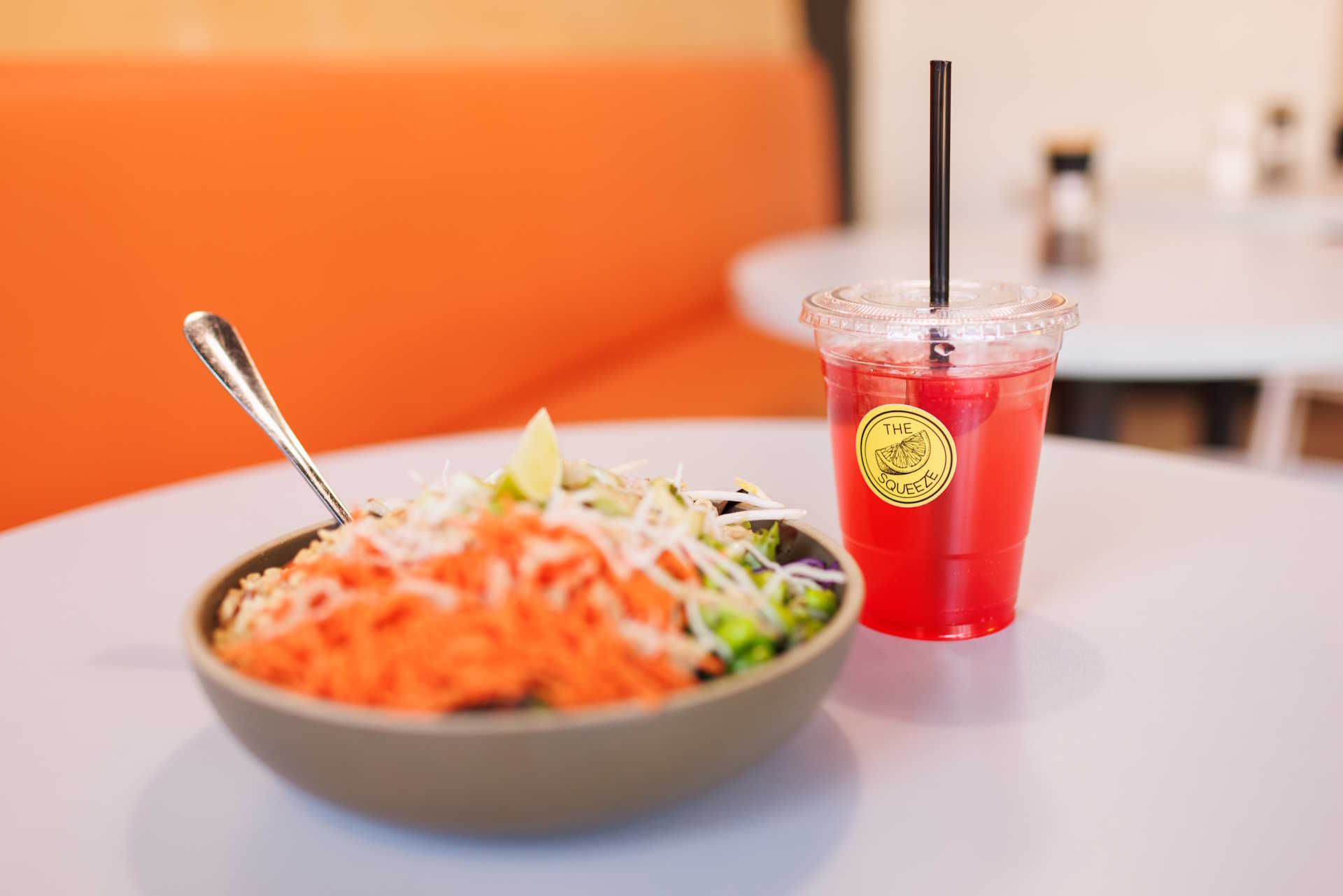
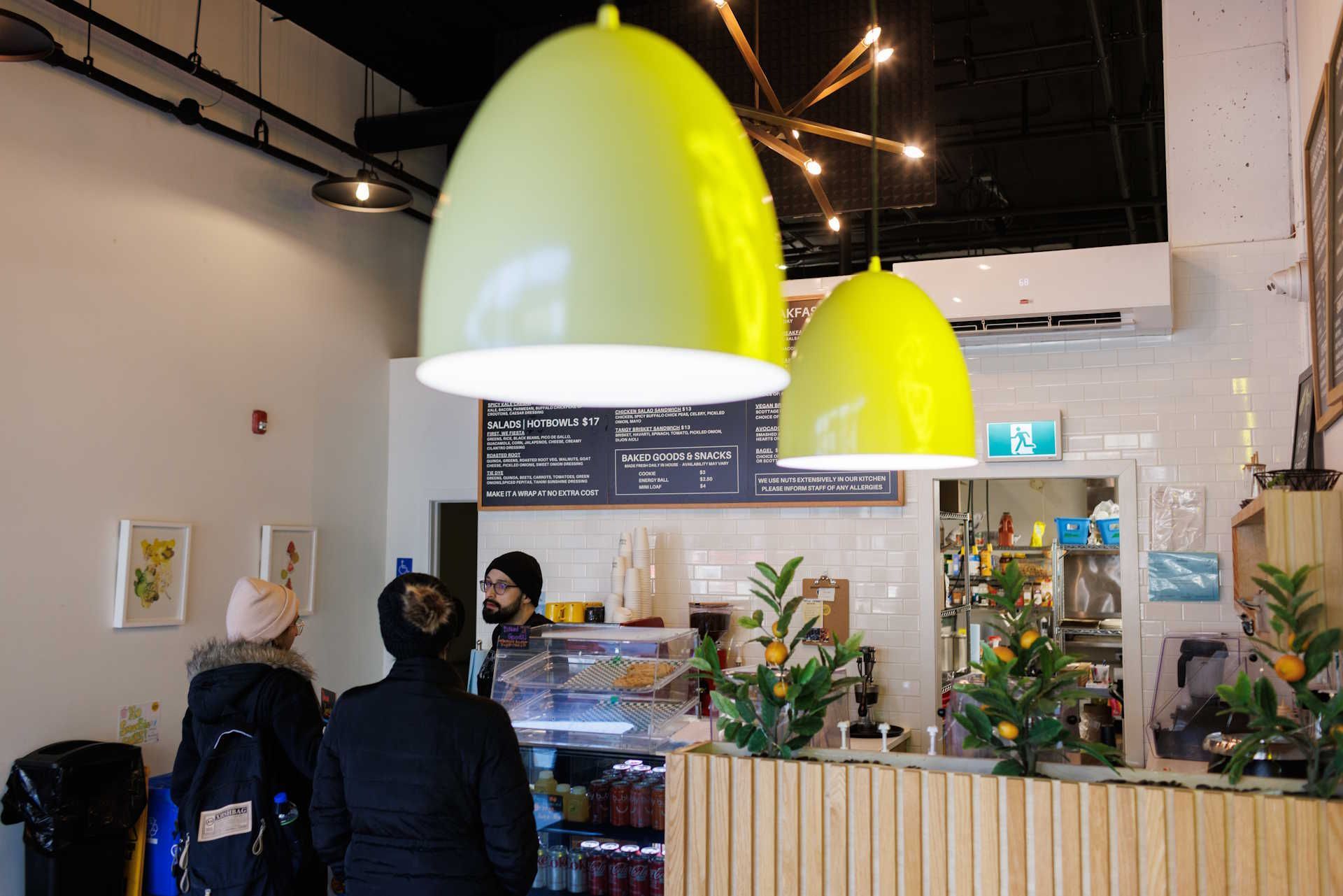
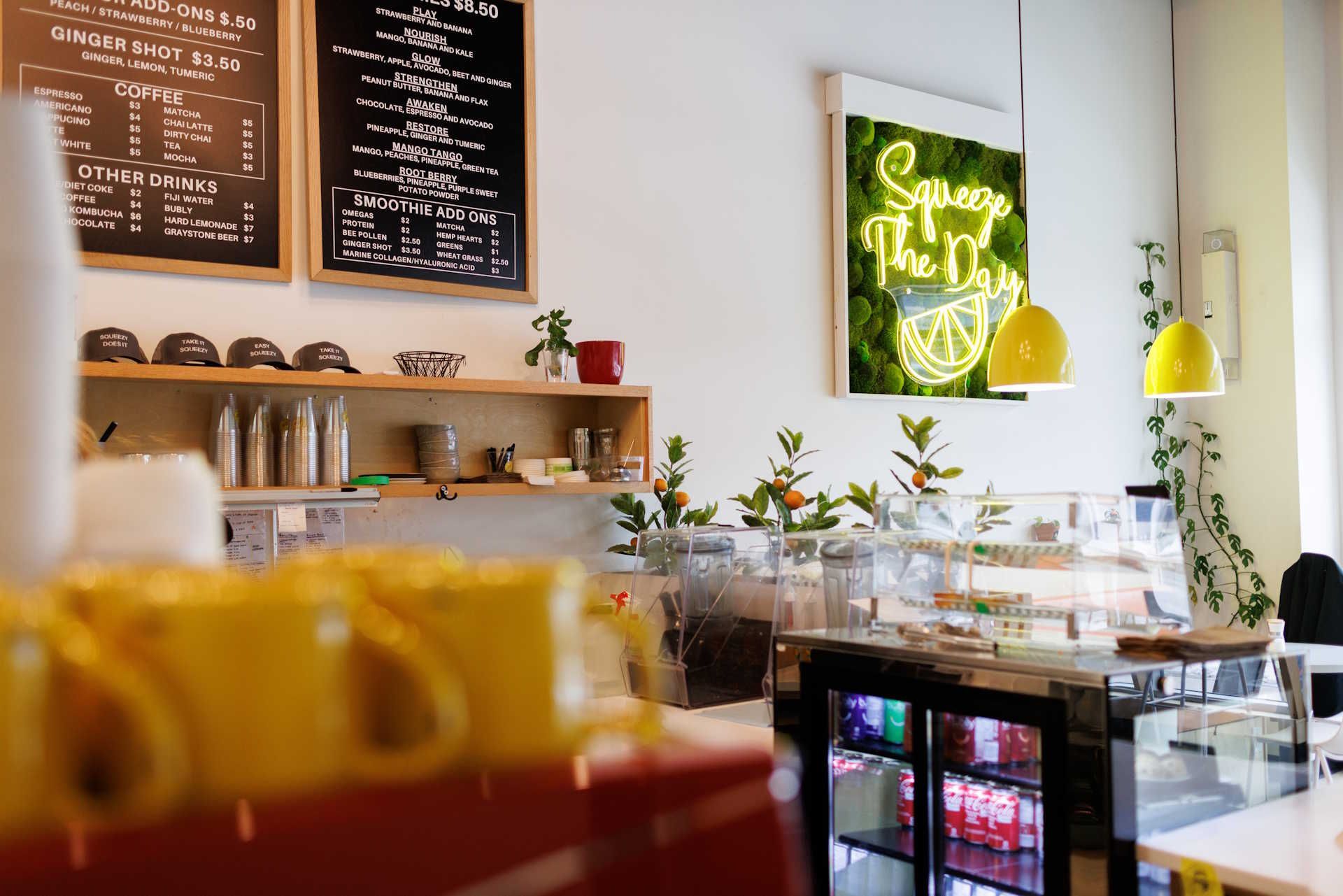
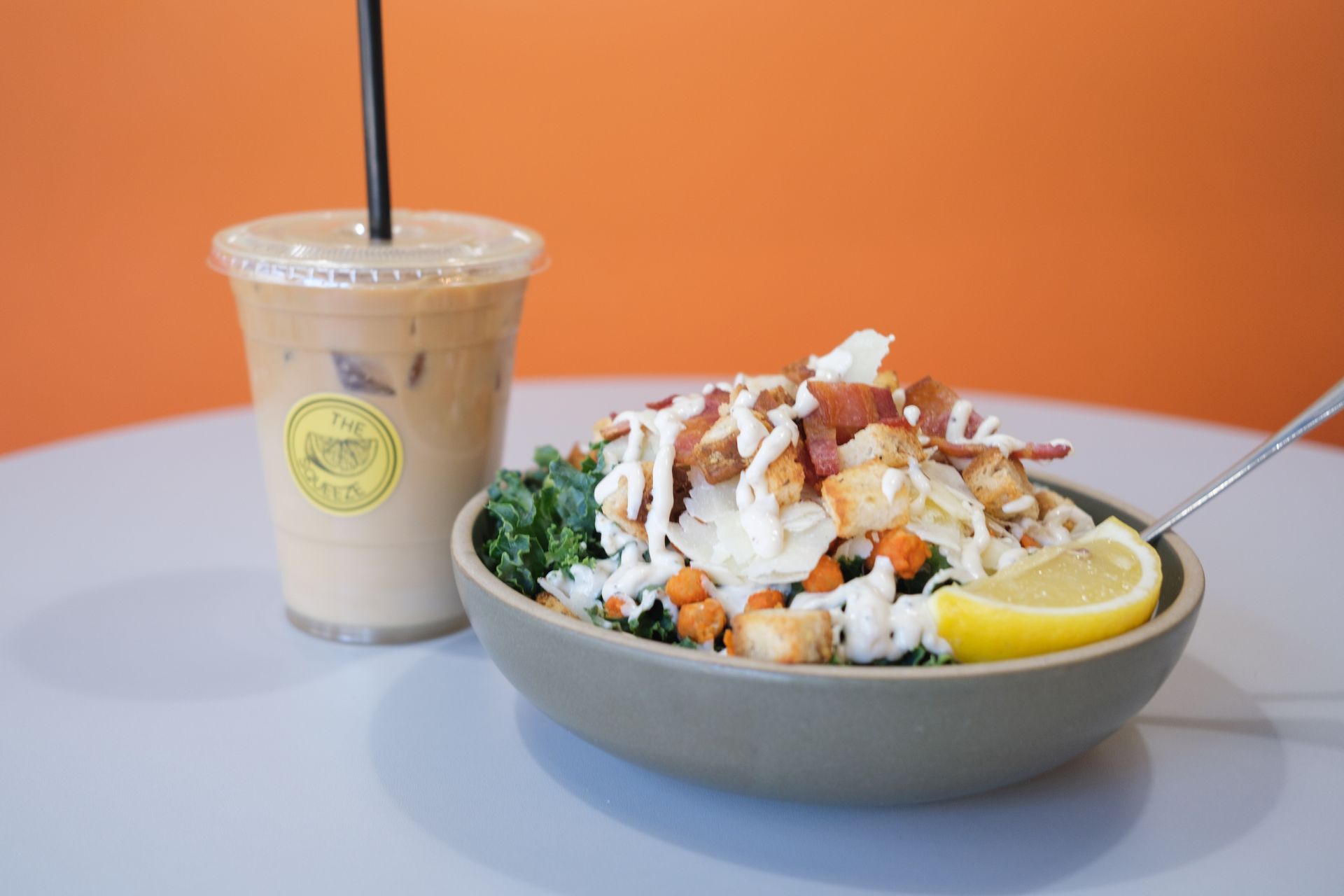
During packed workdays, having reliable options can make nourishment feel easier. The Squeeze focuses on made-in-house food with real ingredients and flexible choices that fit naturally into busy routines.
Whether you are stepping out briefly, grabbing something between commitments, or ordering ahead to save time, it is one less thing to manage on days that already feel full.
Sources
- Health Canada – Canada’s Food Guide
https://food-guide.canada.ca - Harvard T.H. Chan School of Public Health – Nutrition Source
https://www.hsph.harvard.edu/nutritionsource - Mayo Clinic – Healthy Eating for Busy Schedules
https://www.mayoclinic.org/healthy-lifestyle/nutrition-and-healthy-eating