
Better Grab-and-Go Food Choices: Quick Healthy Tips
Grab-and-go meals are often chosen in a rush, which makes them easy to overlook or second-guess. With a few simple guidelines, quick food choices can still support energy and help you feel satisfied between meals. This article focuses on how to evaluate grab-and-go options more effectively, without needing extra time or nutrition knowledge. The emphasis is on making practical choices that work in real-world situations when convenience matters most.
TL;DR
- Better grab-and-go choices come from knowing what to look for, not from avoiding convenience food entirely.
- Meals that include protein tend to feel more filling and last longer.
- Pairing a lighter item with something more substantial can improve balance.
- Familiar, reliable options often lead to better decisions when time is short.
- Eating earlier can reduce pressure to choose the fastest option later on.
- Consistently choosing “good enough” options is more effective than waiting for perfect ones.
Top Tips for Choosing Better Grab-and-Go Options
Grab-and-go food is often treated like a last resort, but for most people, it is simply how meals fit into real life. When schedules are full and time is limited, quick food becomes the default, not the exception.
The issue is not grabbing food on the go. The issue is choosing options that leave you feeling hungry, sluggish, or searching for something else shortly after. Making better grab-and-go choices is less about finding perfect foods and more about understanding what actually works on busy days.
Start With the Reality of Your Schedule
The best grab-and-go option depends on what the rest of your day looks like. A short break between commitments calls for something different than a long stretch without food.
Thinking ahead by even an hour or two can help guide better choices. If you know your next opportunity to eat is far away, choosing something more filling matters more than choosing the fastest option available.
Why Some Quick Foods Leave You Unsatisfied
Many grab-and-go foods are designed to be convenient first and filling second. They might taste good in the moment but fail to support your energy for very long.
Foods that lack protein or fibre tend to digest quickly, which can lead to hunger returning sooner than expected. This often results in constant snacking or feeling distracted by hunger throughout the day.
Choosing foods that feel substantial helps break that cycle.
What to Look for When Choosing Quickly
When you are making a fast decision, simple guidelines work better than detailed rules.
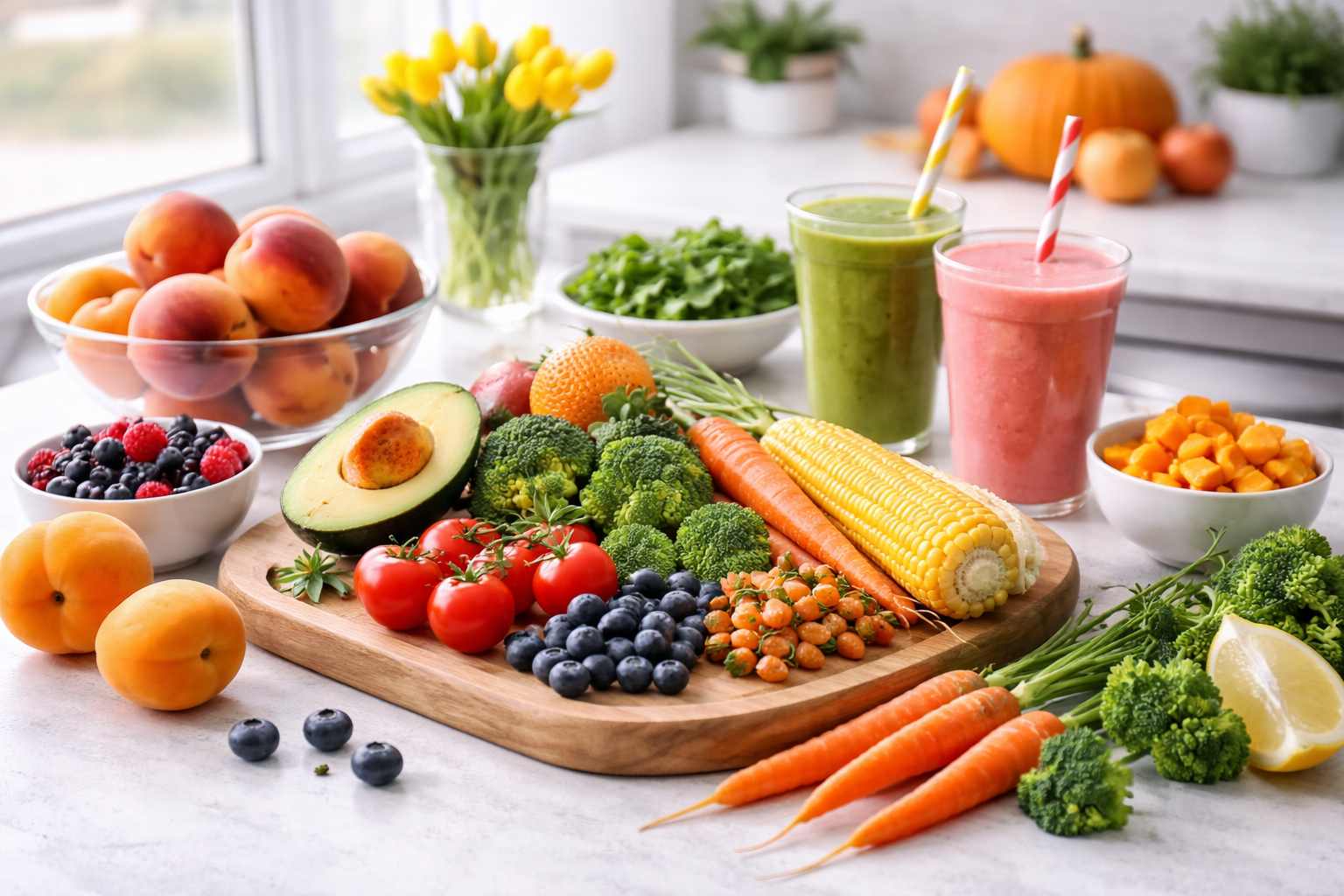
Options that include some protein and fibre tend to keep you fuller longer. That might come from eggs, dairy, legumes, grains, fruits, or vegetables. You do not need everything at once. You just need enough to feel satisfied until your next meal.
If something feels like it will only hold you over briefly, pairing it with another item can help.
Whole Ingredients Make a Difference
Ingredient lists are not always practical to read closely, but even a quick glance can be helpful.
Foods made with recognizable ingredients often feel more sustaining than highly processed options. Fresh ingredients tend to support steadier energy and leave you feeling more satisfied through a busy stretch of the day.
This does not mean avoiding convenience. It simply means choosing convenience that still feels like real food.
Think in Combinations, Not Single Items
One of the easiest ways to improve grab-and-go meals is by thinking in combinations.
If a quick option feels a little light, adding something simple can make it more satisfying. Pairing a main item with fruit, yogurt, or a small snack can help turn a quick bite into something that actually lasts.
This approach works especially well on days when you are walking between stops or heading straight into a long stretch without breaks.
Choose Foods You Will Actually Eat
It is easy to choose something that sounds like a good idea, then ignore it once the day gets busy.
Choosing foods you enjoy matters. Satisfaction plays a role in fullness, and fullness affects how the rest of the day feels. Eating something you like makes it more likely that you will eat enough and move on, rather than grazing later.
Better choices are not just about nutrition. They are about practicality.
Plan Lightly for Predictable Busy Moments
Some parts of the day are consistently hectic. Mid-mornings, early afternoons, and the overlap between errands and work are common pressure points.
Knowing where you will grab food or having a backup option in mind can remove stress. Light planning helps quick meals feel intentional instead of reactive.
You are not planning every meal. You are planning for the moments that tend to go sideways.
Flexibility Matters More Than Perfection
No grab-and-go choice is perfect, and that is fine. Some days will go smoothly, and others will not.
What matters most is flexibility. Making supportive choices most of the time adds up, even when individual meals are rushed or less than ideal.
Consistency comes from adapting, not from rigid rules.
Where The Squeeze Fits In
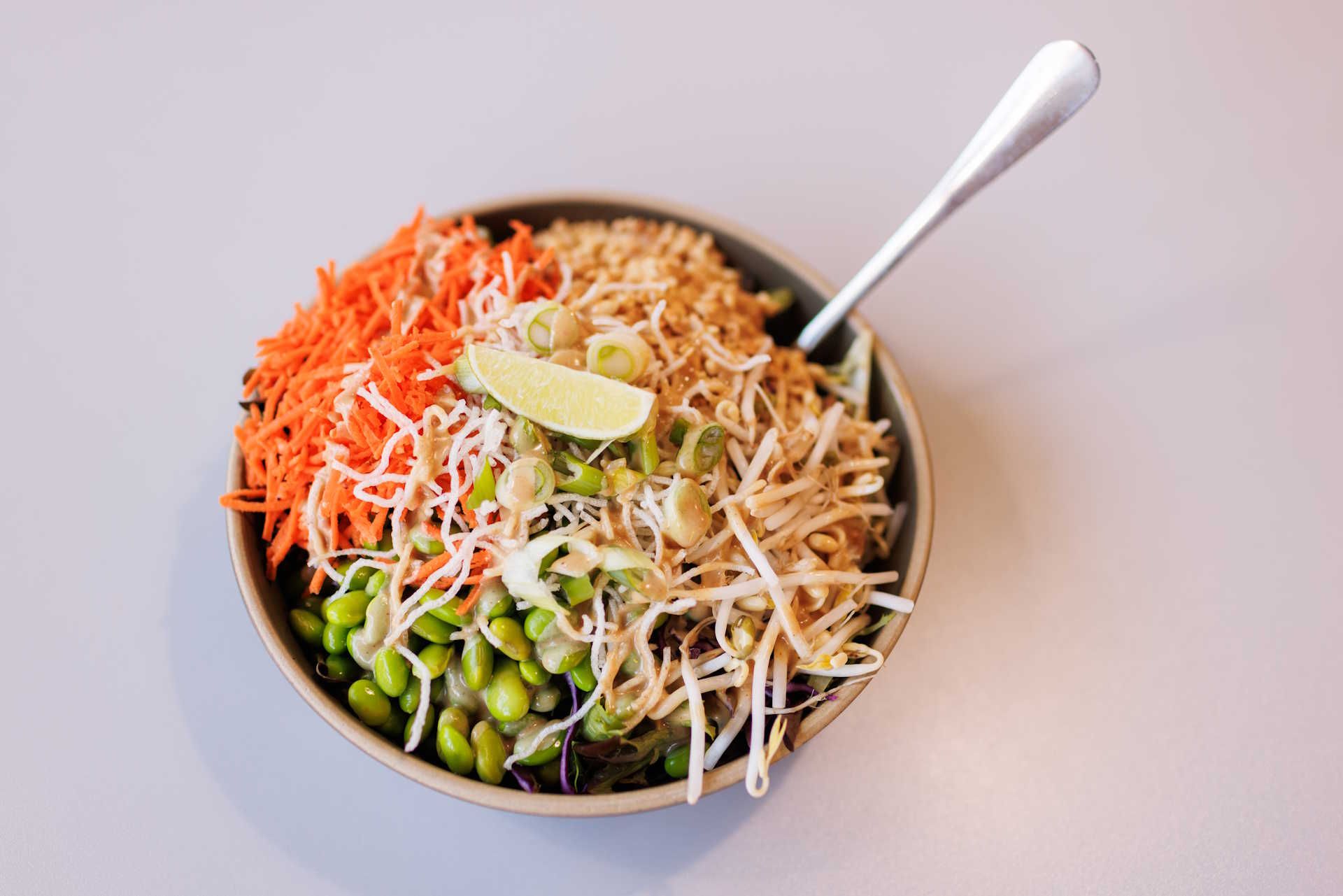
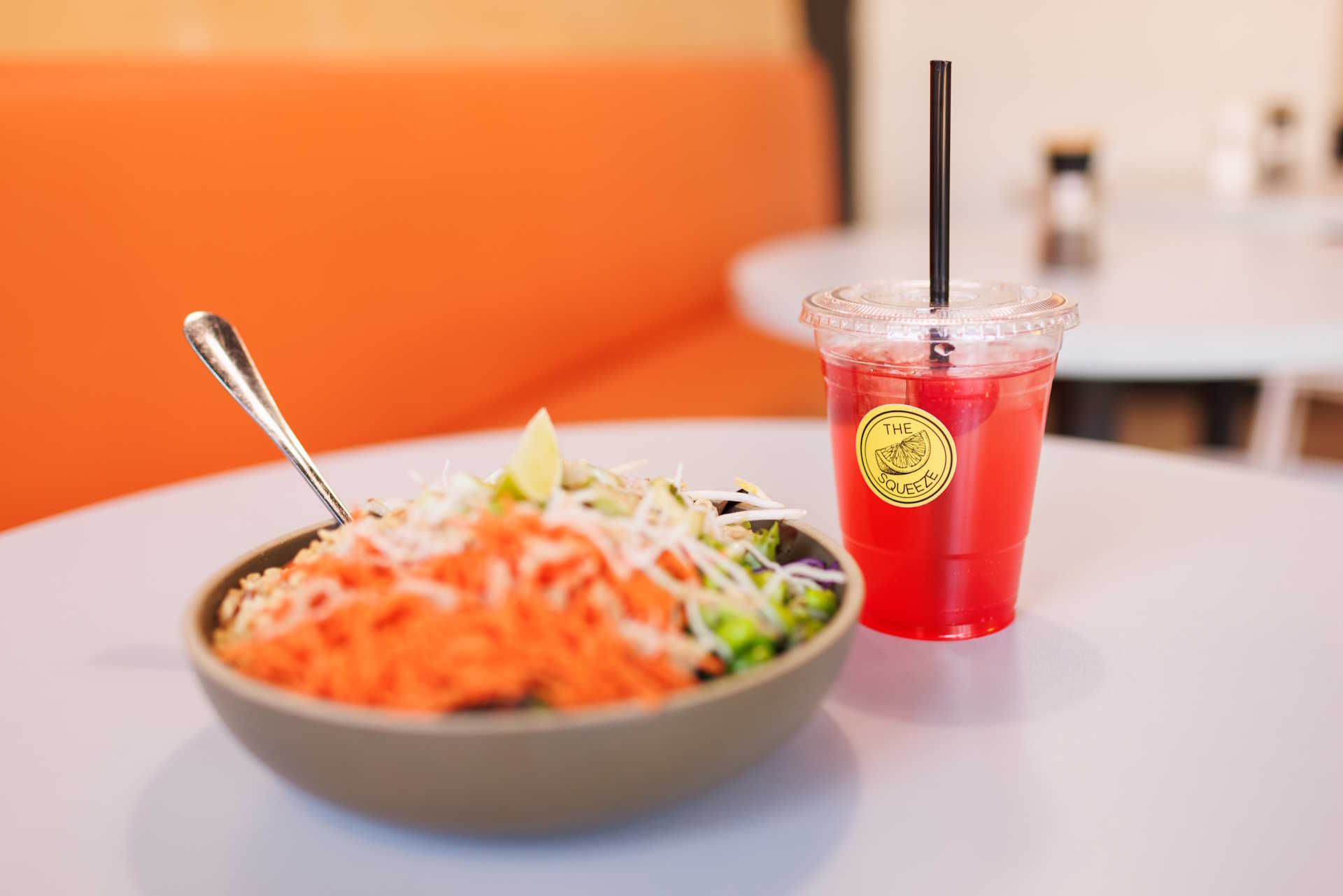
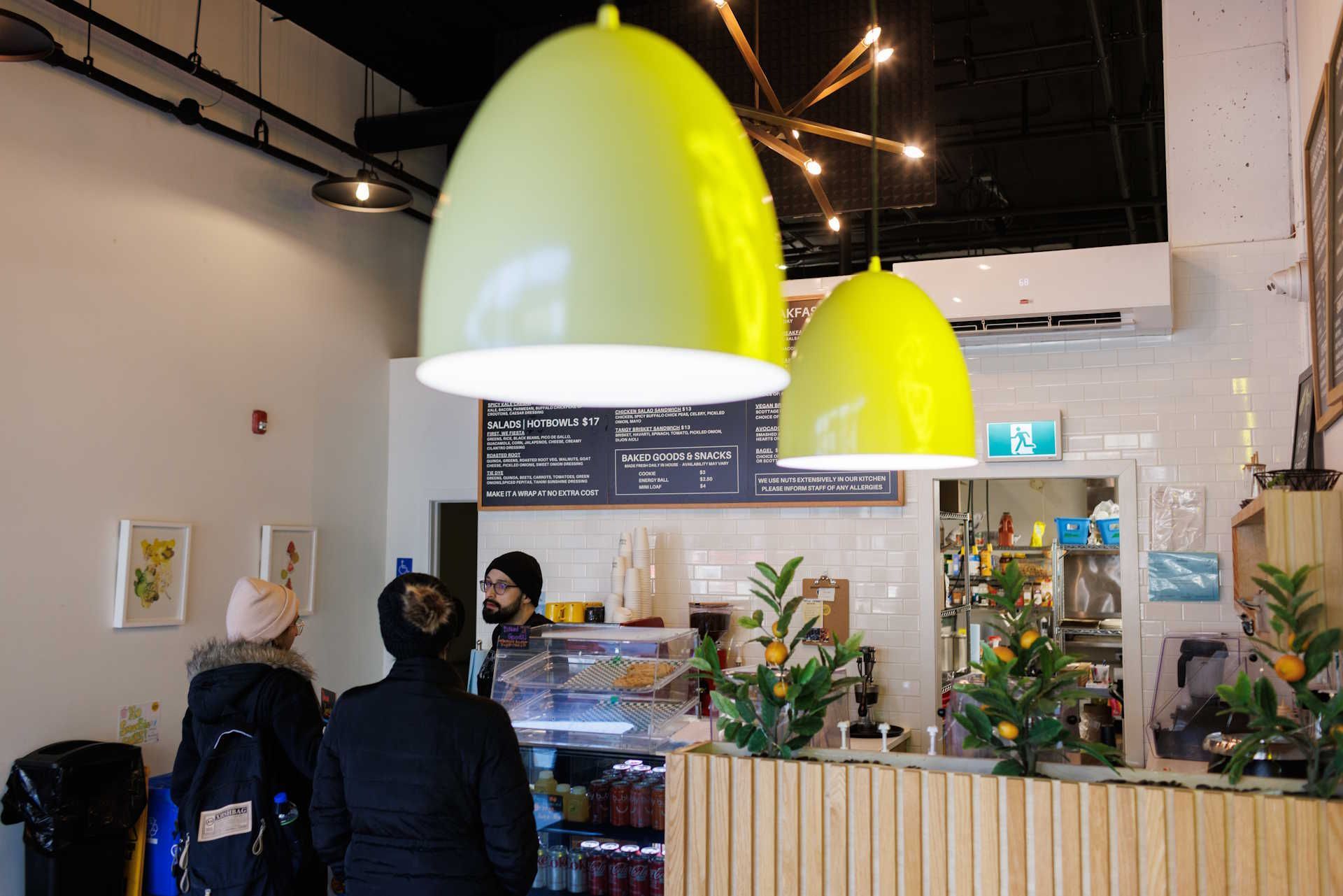
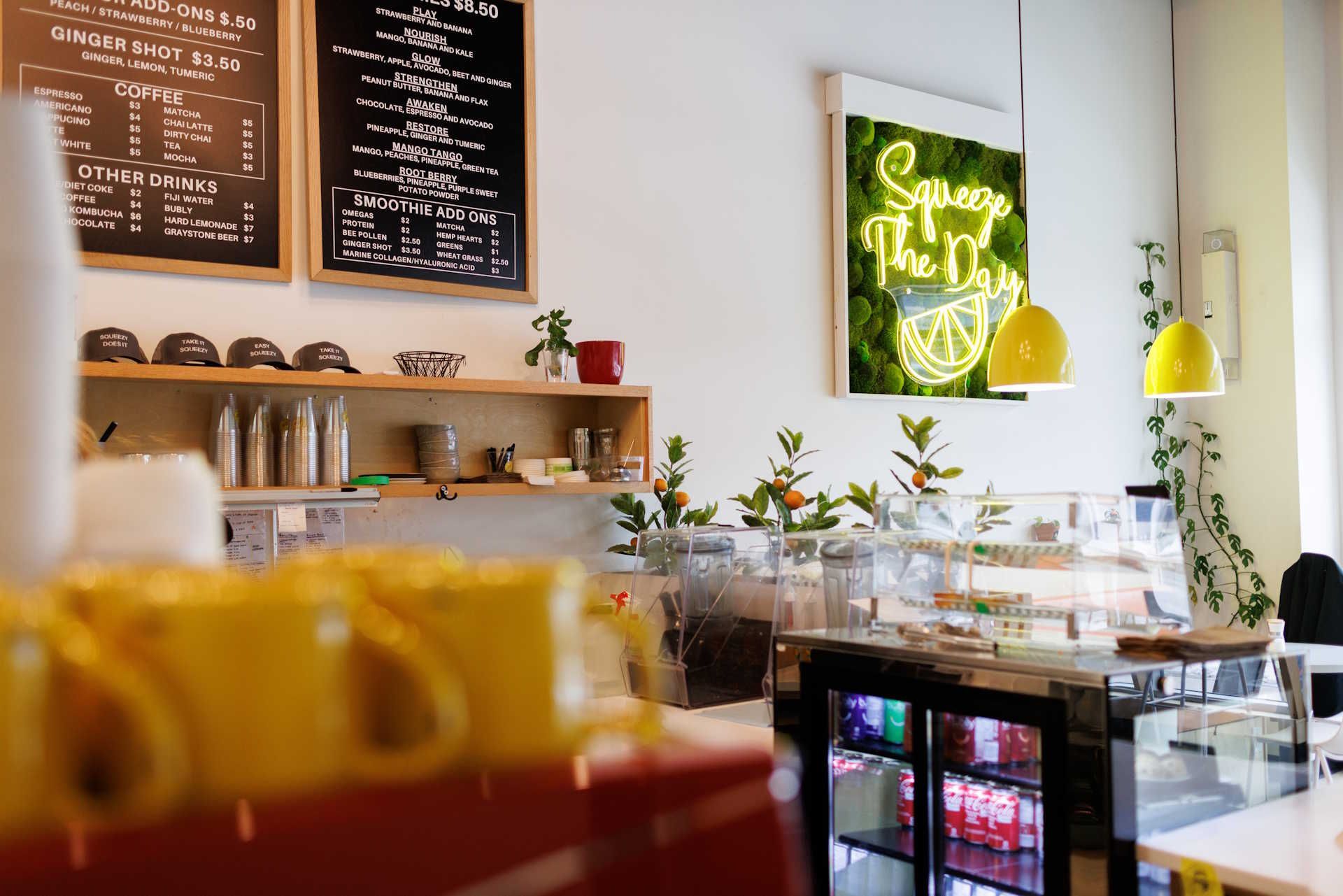
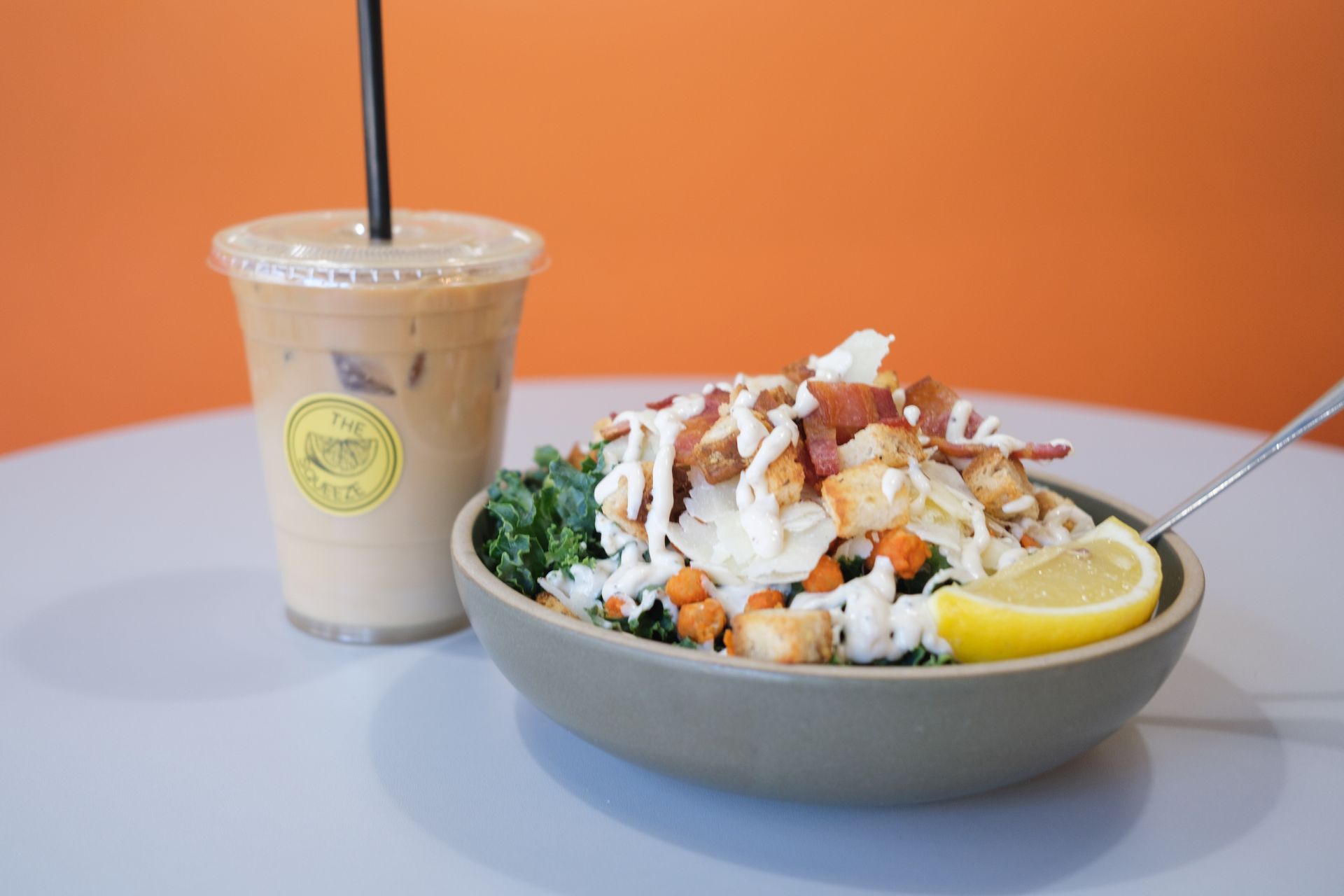
When you are moving quickly between errands, meetings, or daily stops, having reliable options helps. The Squeeze focuses on made-in-house food with real ingredients and flexible choices that fit naturally into busy routines.
Whether you are stopping in briefly or ordering ahead to save time, it is one less decision to manage on days that already feel full.
Sources
- Health Canada – Canada’s Food Guide
https://food-guide.canada.ca - Harvard T.H. Chan School of Public Health – Nutrition Source
https://www.hsph.harvard.edu/nutritionsource - Mayo Clinic – Making Healthier Convenience Food Choices
https://www.mayoclinic.org/healthy-lifestyle/nutrition-and-healthy-eating