
Healthy Breakfast Ideas for Rushed Mornings
Rushed mornings often push breakfast to the bottom of the priority list. When time is tight, it can be tempting to skip eating or grab something that does not last very long. This article focuses on realistic breakfast ideas that work when mornings move quickly and routines feel compressed. The goal is to make breakfast easier to fit in and more effective at supporting energy through the first part of the day.
TL;DR
- Eating something in the morning is usually better than skipping breakfast entirely.
- Simple breakfasts with protein help support steadier energy through busy mornings.
- Familiar, repeatable options reduce decision-making when time is short.
- Portable breakfasts work well when eating happens between stops or on the move.
- Preparing or choosing breakfast options ahead of time makes rushed mornings easier.
- Breakfast does not need to be large to be effective, just balanced enough to last.
Why Breakfast Still Matters When Time Is Tight
Breakfast plays a role in how the rest of the day unfolds. Eating earlier can help stabilize energy, reduce mid-morning hunger, and make it easier to stay focused through long stretches without breaks.
This matters even more on mornings that involve commuting, walking between stops, or heading straight into a busy schedule. When the day starts fast, having something in your system can make the difference between feeling steady and feeling behind before noon.
Let Go of the Idea That Breakfast Has to Look a Certain Way
One of the biggest reasons people skip breakfast is the belief that it has to be done properly. If there is no time to cook or sit down, it feels easier to skip it altogether.
In reality, breakfast can be flexible. A smoothie, a snack, a handheld option, or even leftovers can all count. Food does not need a label to be useful. The goal is nourishment, not presentation.
What Makes a Breakfast Actually Hold You Over
When mornings are rushed, choosing foods that help you feel full longer becomes more important than variety or novelty.
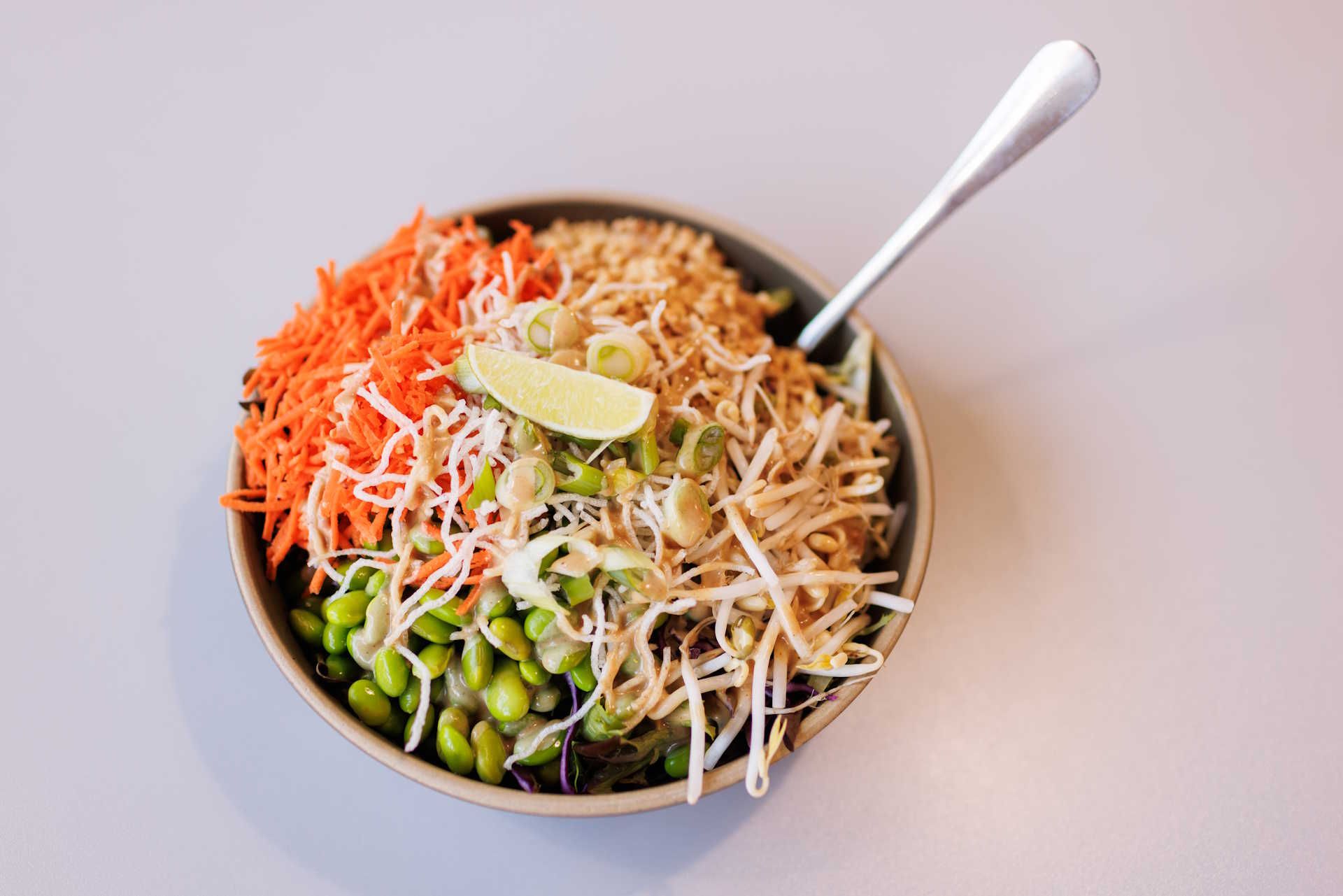
Protein and fibre both play a role in satiety and steady energy. That can come from many places, including eggs, yogurt, nut butter, oats, fruit, or whole grains. You do not need everything every morning. You just need enough to feel supported.
If breakfast leaves you hungry again shortly after eating, it is usually a sign that it was too light, not that breakfast was a bad idea.
Breakfast Options That Work When Time Is Limited
On busy mornings, simplicity is often the deciding factor. Foods that are quick to eat, easy to carry, or require little preparation tend to work best.
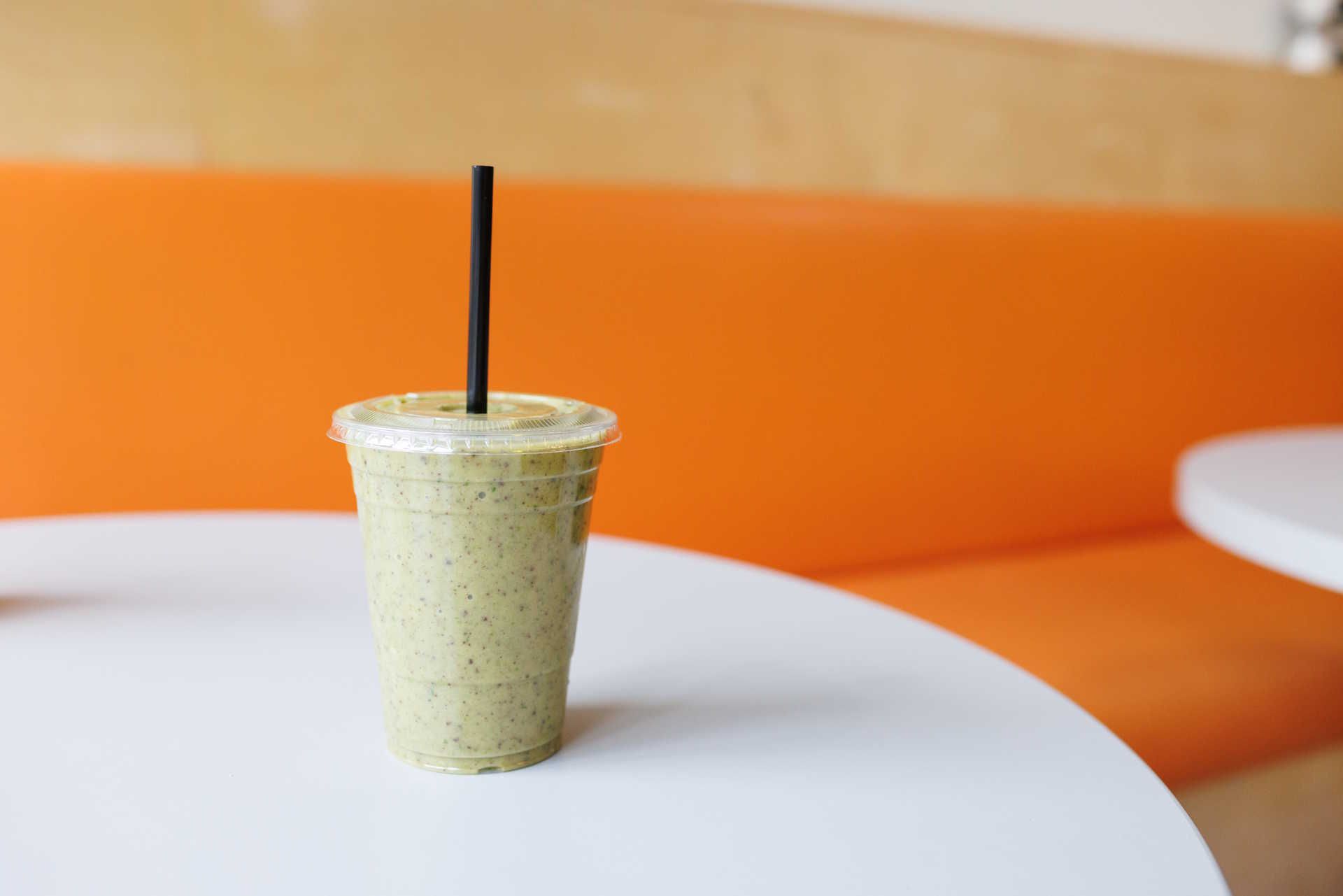
Blended options can be helpful when mornings feel rushed or appetite is low. They are easy to consume on the move and can include a mix of ingredients that feel more substantial than a single item.
Grab-and-go choices like yogurt with fruit, breakfast sandwiches, or overnight oats also work well when you need something filling without slowing down. These options fit naturally into mornings that involve walking a few blocks, commuting, or heading straight into commitments.
Even non-traditional choices can work. There is no rule that says breakfast has to be sweet or light. What matters is that it helps you feel better through the first part of the day.
When Mornings Are Truly Chaotic
Some mornings are unpredictable. Plans change, time disappears, and eating feels like an afterthought.
On those days, aiming for something small is often better than skipping breakfast entirely. A piece of fruit, half a sandwich, or a simple snack can help bridge the gap until your next meal. Eating something early often prevents stronger hunger and energy crashes later on.
Planning Ahead Without Making It Complicated
Planning breakfast does not need to mean preparing meals days in advance. Often, it is about knowing which mornings are consistently rushed and having a few reliable options in mind.
Keeping breakfast-friendly foods nearby, ordering ahead when mornings are tight, or sticking to familiar choices can remove a lot of friction. When breakfast feels easy, it is far more likely to happen consistently.
Pay Attention to What Actually Works for You
Not everyone wakes up hungry, and that is normal. Some people prefer eating right away, while others need time before food feels appealing.
Noticing how breakfast affects your energy, mood, and focus can help guide future choices. Eating well in the morning should support your day, not feel like another obligation to manage.
Consistency Matters More Than Perfection
No one has perfect mornings every day. Some breakfasts will be more filling than others, and some mornings will feel rushed no matter what.
What matters is consistency over time. Eating something most mornings, staying flexible, and adjusting as needed adds up. Breakfast does not need to be flawless to be effective.
Where The Squeeze Fits In
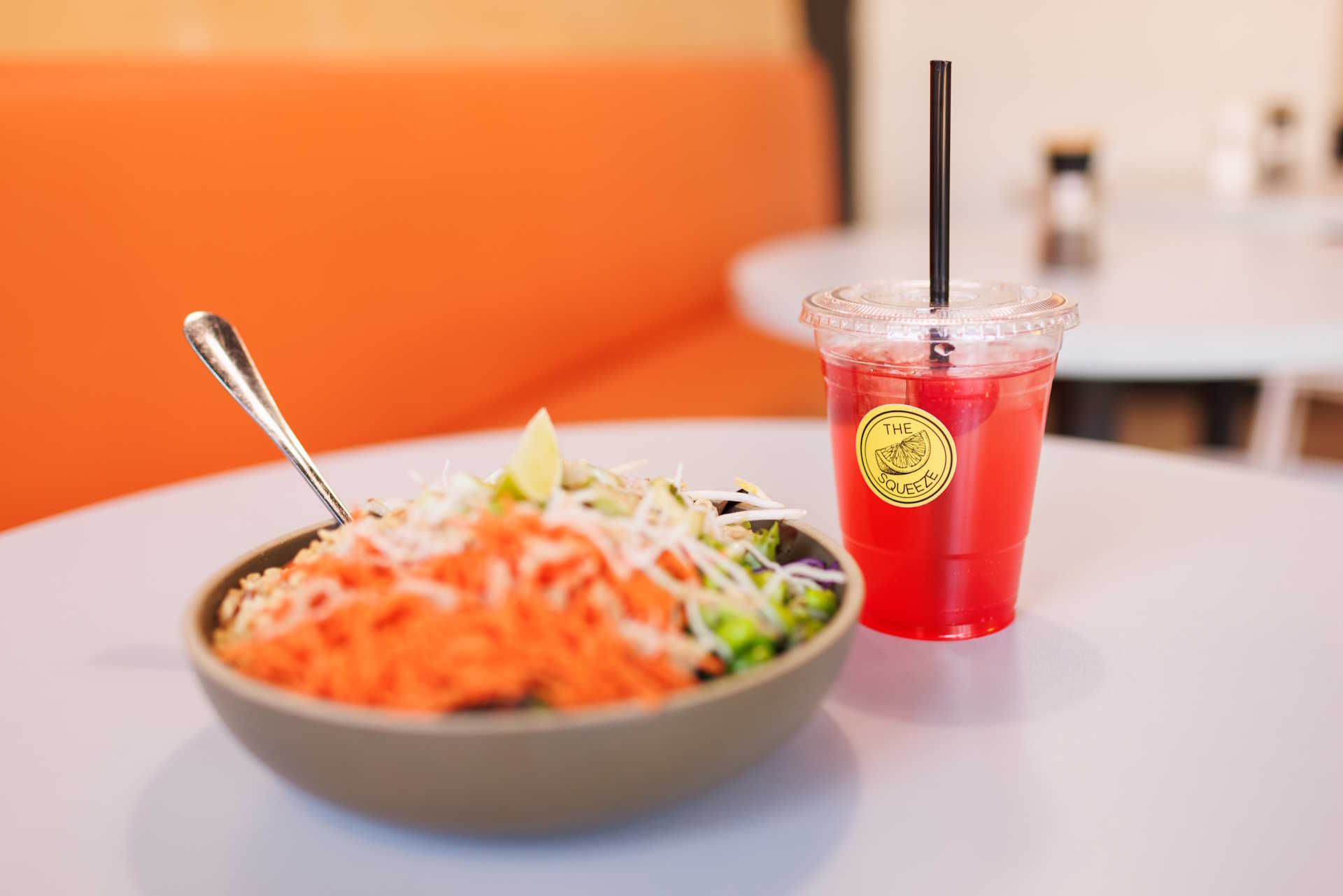
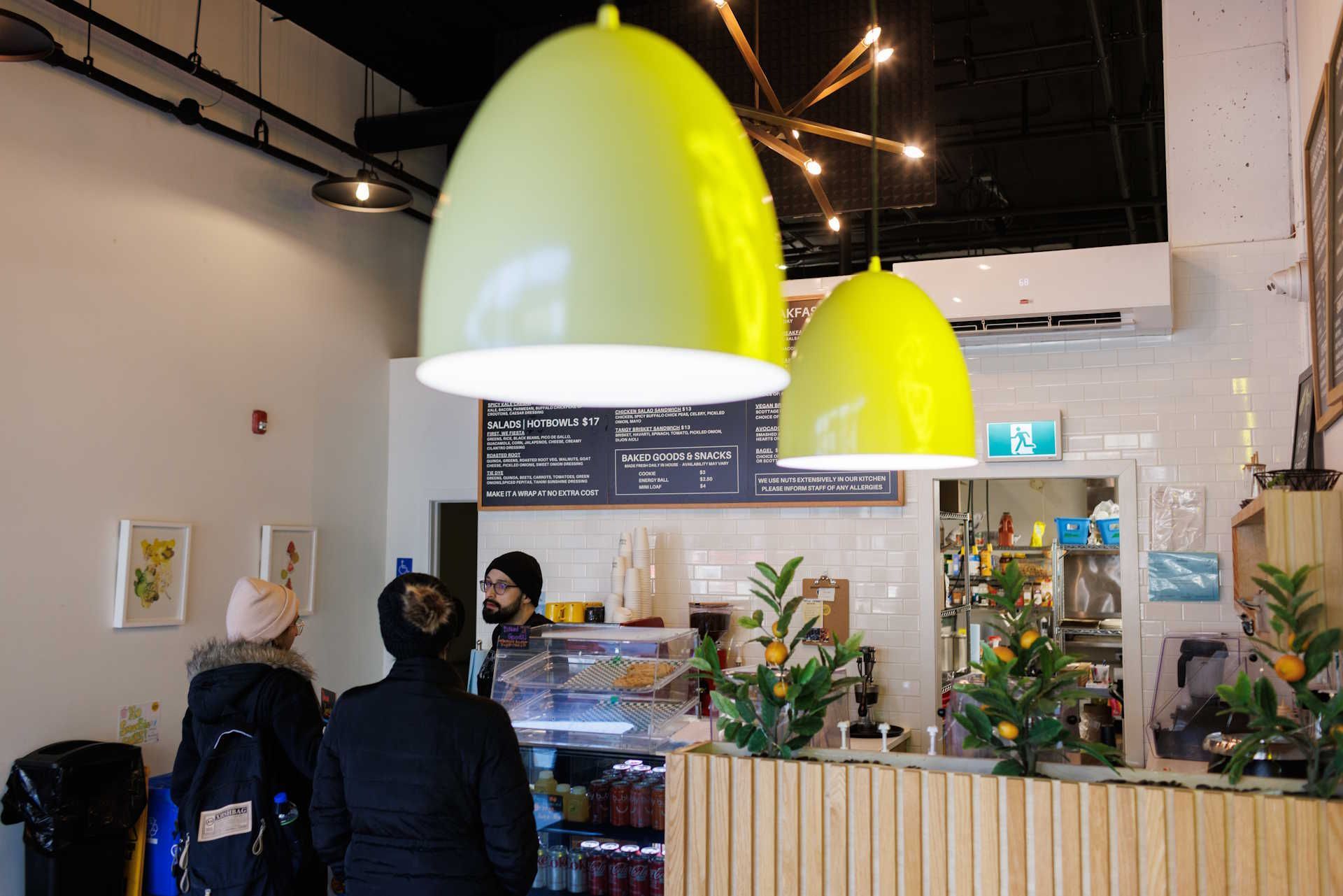
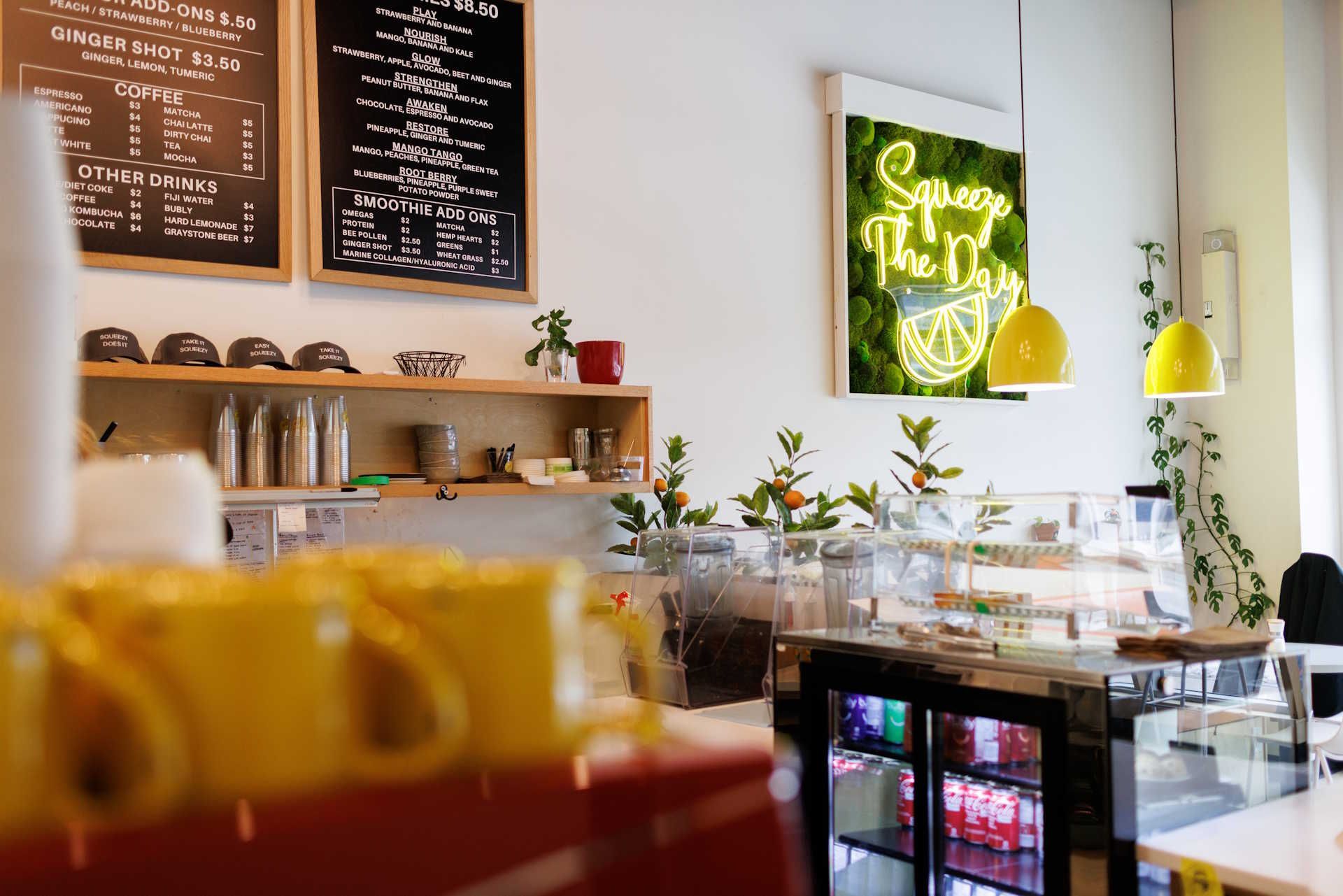
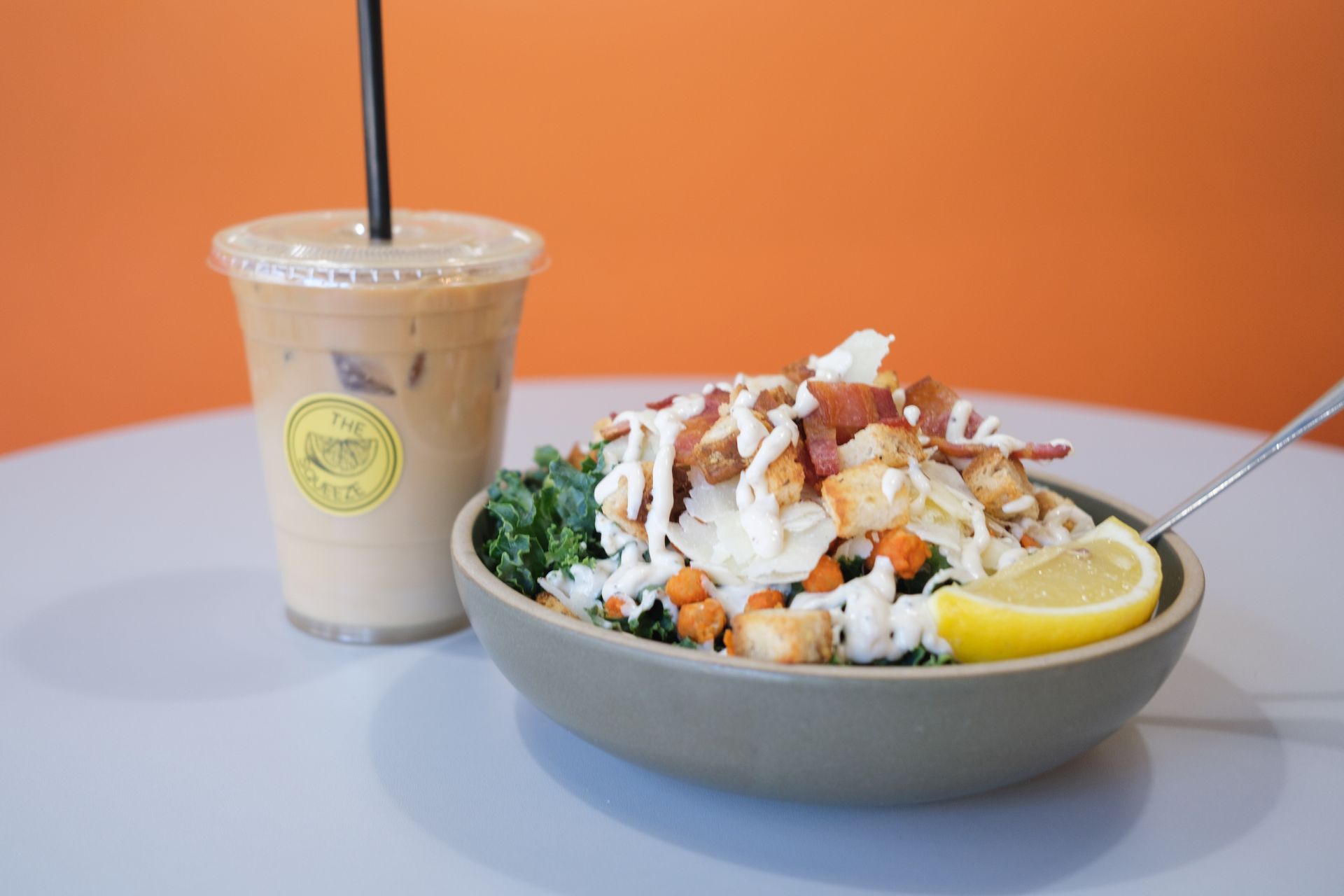
On mornings when time is limited and the day starts quickly, having reliable options helps. The Squeeze focuses on made-in-house food with real ingredients and flexible choices that fit naturally into busy routines.
Whether you are stopping in as part of your morning flow or ordering ahead to stay on schedule, it is one less decision to manage on already full mornings.
Sources
- Health Canada – Canada’s Food Guide
https://food-guide.canada.ca - Harvard T.H. Chan School of Public Health – Healthy Eating Plate
https://www.hsph.harvard.edu/nutritionsource/healthy-eating-plate - Mayo Clinic – Healthy Breakfast Basics
https://www.mayoclinic.org/healthy-lifestyle/nutrition-and-healthy-eating